 Bellingham Siding
 Board & Batten in Columbia: A Style That Has to Earn Its Keep Here
Board and batten reads as a simple, honest style — clean vertical lines, a mix of farmhouse and modern that fits comfortably next to Columbia's older homes and the newer infill going up around them. It's a look that works whether a house is a century-old bungalow or a recent build. But in Bellingham, "looks right" and "performs right" are two different questions, and board and batten siding lives or dies on the second one.
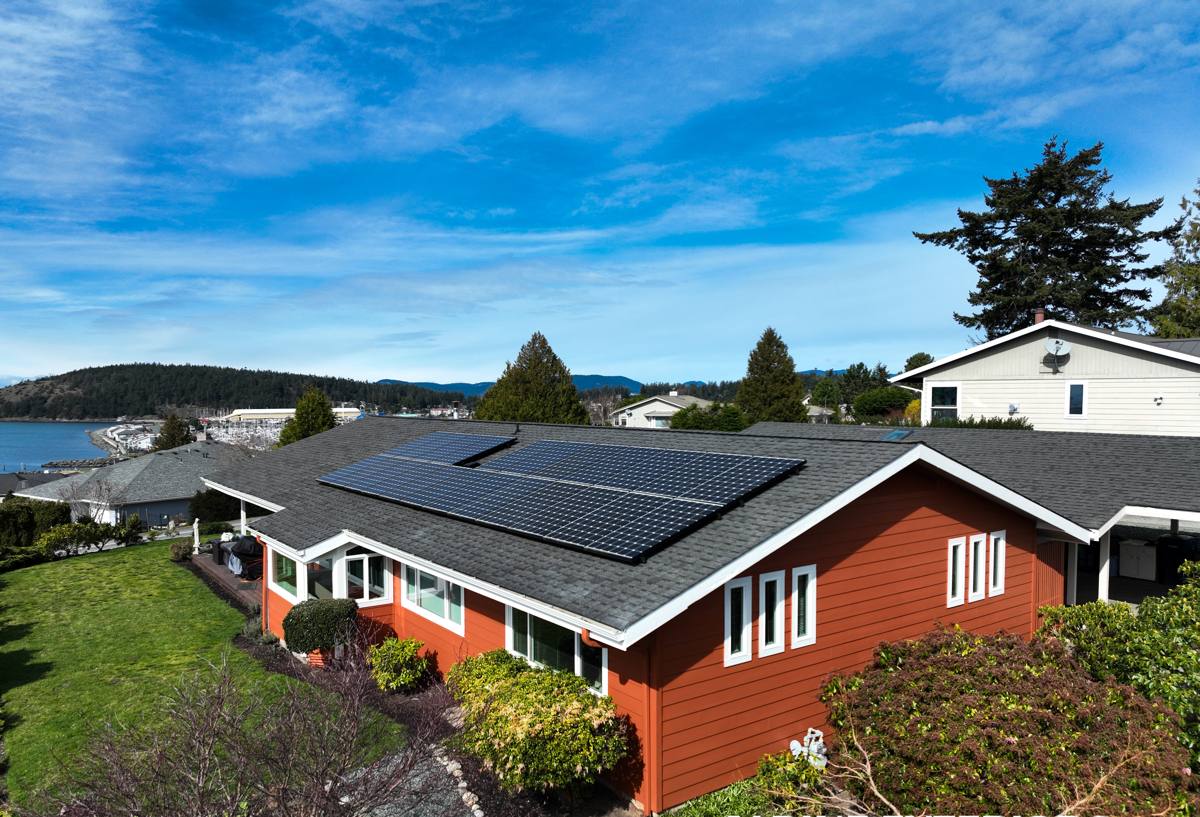
Columbia sits close enough to Bellingham Bay that its homes deal with salt-laden air, wind-driven rain off the water, and long stretches of damp, low-light weather that keep exterior surfaces wet far longer than they'd stay wet inland. That combination is hard on any siding, but it's particularly unforgiving of vertical siding systems that weren't detailed correctly, because water and debris naturally want to travel down the battens and pool at the joints. Done right, board and batten is one of the most durable-looking and long-lasting styles you can put on a house here. Done wrong, it's one of the fastest ways to trap moisture behind a wall.
What Bellingham Bay Weather Actually Does to Siding
Salt air and hardware
Homes within a few miles of the water take on airborne salt that settles on every exterior surface, including fasteners, flashing, and trim. Over years, that accelerates corrosion on anything that isn't rated for coastal exposure — a cheap or mismatched fastener today becomes a rust streak and a loose board later.
Driving rain
Storms coming off the water don't fall straight down — wind pushes rain sideways into wall assemblies, especially on west- and south-facing elevations. Board and batten's vertical joints and reveals give water more opportunities to find a way in than a horizontal lap profile does, which makes correct flashing and drainage detailing non-negotiable rather than optional.
The long moss season
Whatcom County's wet season stretches for months, and shaded or north-facing walls in tree-covered lots barely dry out between storms. That moisture keeps algae and moss active on painted wood and lower-grade siding far longer than most homeowners expect, and it's a big part of why we don't put untreated or field-painted materials on Columbia homes.
What Correct Board & Batten Installation Involves
Board and batten isn't a single product — it's a system, and every layer of that system matters as much as the visible boards.
- Drainage plane and rainscreen gap: a weather-resistive barrier plus a ventilated air gap behind the siding lets any moisture that does get past the surface drain and dry out instead of sitting against the sheathing.
- Batten spacing and fastening: battens need consistent spacing into studs or solid backing, with fasteners rated for coastal/corrosive exposure — not general-purpose hardware.
- Flashing at every horizontal break: window heads, door tops, and any horizontal trim need step or head flashing so water sheds outward instead of running behind the boards.
- Factory-finished material: a factory-cured finish resists moisture and UV far more consistently than anything painted on site, which matters directly for moss and algae resistance.
- Caulking discipline: the right sealant, in the right joints only — over-caulking a system that's supposed to drain can trap water instead of releasing it.
Skip any one of these and the siding might look fine for a season or two before the real Bellingham weather cycle starts finding the gaps.
Why We Only Install James Hardie for This Look
Board and batten can be built out of vinyl, engineered wood, or fiber cement, and we get asked about all three. We only install James Hardie fiber cement, and it's worth explaining why rather than just stating it.
Vinyl board and batten is affordable and low-maintenance in the sense that it doesn't need painting, but it's a thin plastic profile that can warp or fade under UV exposure, and its seams and battens are more decorative than structural — it doesn't hold up the same way to the wind-driven rain events that come off the bay. Engineered wood products (like LP SmartSide) perform reasonably well when kept dry, but they're wood-based, meaning any long-term moisture intrusion — the kind our wet season specializes in — can lead to swelling or deterioration at cut edges and joints, which are exactly where board and batten has the most seams.
James Hardie's fiber cement is cement, sand, and cellulose fiber — it doesn't rot, it isn't a fuel source, and it doesn't absorb moisture the way wood-based products can. Hardie also builds region-specific formulations for different climates; homes in wetter, colder regions like ours are generally matched to Hardie's HZ5 engineering, which accounts for exactly the freeze-damp cycling Whatcom County sees. Add ColorPlus, Hardie's factory-applied finish, and you get color and moisture protection baked in before the boards ever reach the job site — no field paint job that has to survive Bellingham's rain schedule to look good in year three. We're not the cheapest way to get a board and batten look, but it's the one we're willing to warranty and stand behind on a house a few blocks from the bay.
Material comparison at a glance
| Factor | Vinyl board & batten | Engineered wood | James Hardie fiber cement |
|---|---|---|---|
| Moisture behavior | Doesn't rot, but seams can flex/gap | Can swell or delaminate if wet long-term | Doesn't absorb moisture or rot |
| Finish durability | Can fade/chalk over time | Field-applied paint needs recoating | Factory ColorPlus finish holds color |
| Fire resistance | Melts/deforms under heat | Combustible wood-based product | Non-combustible |
| Typical lifespan before major service | 15–20 years | 15–20 years with upkeep | 30+ years with proper install |
| Upfront cost | Lowest | Mid | Higher, but longer service life |
Our Process for a Columbia Board & Batten Project
Every project starts the same way, whether the house is a smaller older home or a newer build in the area.
- On-site assessment: we look at the existing wall assembly, check for hidden moisture damage (especially on north-facing or shaded walls), and confirm what's under the current siding before quoting anything.
- Scope and product selection: we walk through Hardie's vertical panel and batten options and trim profiles, and settle on a color and reveal spacing that fits the house.
- Tear-off and sheathing check: old siding comes off and we inspect sheathing for rot or soft spots before anything new goes up — this is where problems from years of Bellingham weather usually show themselves.
- Weather barrier and rainscreen install: the drainage plane and vented gap go in correctly the first time, since this layer is invisible once the job is done.
- Panel, batten, and trim installation: fastened to spec with corrosion-rated hardware, flashed at every horizontal transition.
- Final detailing and walkthrough: caulking only where it belongs, a full walkthrough with the homeowner, and cleanup.
Keeping Board & Batten Looking Right Through Moss Season
Even the right material benefits from a little seasonal attention in a climate like ours:
- Rinse shaded and north-facing walls once a year to clear early moss and algae growth before it takes hold.
- Keep gutters clear so overflow doesn't run directly down wall sections during heavy rain events.
- Trim back vegetation and tree cover that keeps specific wall sections damp longer than the rest of the house.
- Check caulking at trim and window transitions every couple of years — this is normal maintenance, not a sign the installation failed.
- Have any impact damage (branches, equipment, etc.) repaired promptly rather than left exposed to the wet season.
Why a Crew That Already Works Columbia Matters
Board and batten's biggest risk isn't the material — it's installation details that are easy to get wrong if you don't already know how a given neighborhood's homes are built and how the local weather patterns actually hit them. A crew that's worked in Columbia and similar Bellingham neighborhoods knows which elevations take the worst of the wind-driven rain, how older homes in the area were typically sheathed, and what permitting and inspection expectations look like for Whatcom County exterior work. That local familiarity shows up in fewer surprises mid-project and a finished install that's actually built for the climate it has to survive, not just for how it photographs on install day.
If you're weighing board and batten for a home in Columbia, we're happy to take a look, walk the exterior with you, and give you a straight, no-pressure estimate — no obligation, just an honest read on what your house needs.