 Bellingham Siding
 Why Siding Takes a Beating in the Columbia Neighborhood
Columbia sits close enough to Bellingham Bay that salt-laden air is part of daily life, and that air is harder on exterior building materials than most homeowners realize. Add in the driving rain that comes off the water during fall and winter storms, plus a moss season that in Whatcom County can stretch from October well into spring, and you have a combination that exposes weak siding fast. Homes here don't fail because of one big storm. They fail slowly, from years of moisture finding its way into seams, fasteners, and cut edges that weren't sealed correctly the first time.
Salt Air and Wind-Driven Rain
Salt air accelerates corrosion on fasteners, flashing, and any exposed metal trim, and it also speeds up the breakdown of paint films that aren't formulated to resist it. Wind-driven rain compounds the problem by pushing water sideways into laps and joints that would stay dry in a calmer climate. Siding on the west- and south-facing walls of Columbia homes, which catch the brunt of storms moving in off the Sound, tends to show wear first.
Moss, Shade, and Long Wet Stretches
Columbia's tree cover and proximity to the water mean plenty of shaded, slow-drying wall sections. Moss and algae take hold wherever siding stays damp for extended periods, and once established they hold moisture against the surface even longer, which is exactly the wrong thing for wood-based or poorly sealed products. It's a slow cycle, but it's a real one, and it's the main reason siding that looks fine in a drier climate can struggle here.
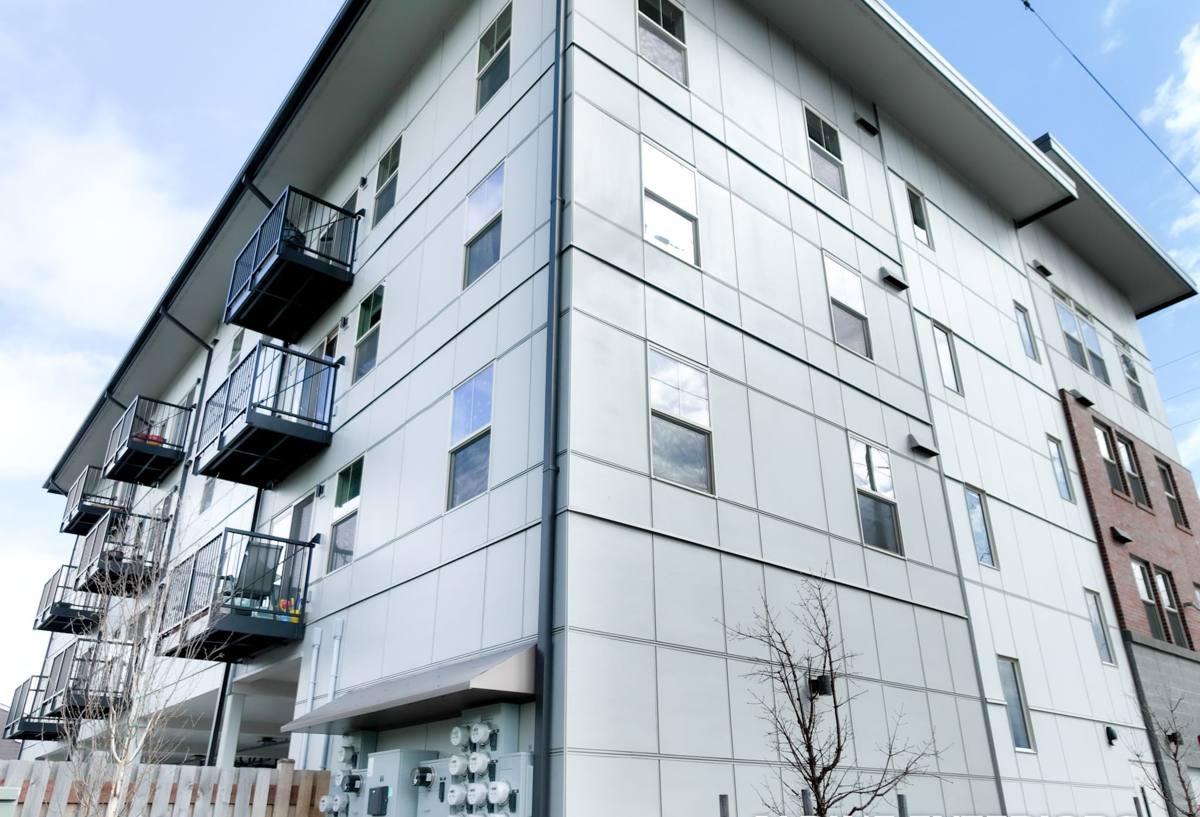
What Correct Fiber Cement Installation Actually Requires
Fiber cement is only as good as the installation behind it. The material itself resists moisture, fire, and pests, but a sloppy install can undermine all of that. Here's what we consider non-negotiable on every Columbia project.
Climate-Engineered for the Pacific Northwest
James Hardie makes different formulations for different climate zones, and the Pacific Northwest falls into their cold/wet HZ5 engineering category rather than the hot/humid HZ10 category used in the Southeast. That distinction matters because the product's moisture resistance and freeze performance are tuned to the conditions a Bellingham home actually faces, not conditions from somewhere else. This is one reason we don't substitute a generic fiber cement product for the region-specific line.
Flashing, Gaps, and Moisture Management
Correct installation starts with a properly lapped weather-resistive barrier and flashing at every window, door, and penetration, installed so water sheds down and out rather than behind the siding. Boards need the manufacturer's specified gaps at butt joints and around trim, along with corrosion-resistant fasteners driven at the right depth and spacing. Skipping any of these steps is how a quality product ends up with a moisture problem that shows up two or three years later.
Factory Finish vs. Field-Painted Siding
We install James Hardie's ColorPlus factory-applied finish rather than relying on field-applied paint. The factory process bakes the finish on under controlled conditions, which gives it better adhesion and UV resistance than paint applied on site in variable weather. In a climate with as much rain and humidity as Whatcom County sees, that difference shows up in how long the color and finish actually hold up.
Our Process for a Columbia Siding Replacement
The steps don't change from house to house, but the details we check for do, based on what we've seen work and fail on siding in this neighborhood.
- On-site assessment. We look at existing siding condition, moisture damage, shaded/wet-prone wall sections, and how the current flashing and trim details were handled.
- Tear-off and sheathing check. Once old siding is off, we inspect the sheathing and framing underneath for rot or hidden moisture damage before anything new goes up — this step gets skipped by crews trying to move fast, and it's the one that matters most.
- Weather barrier and flashing. New weather-resistive barrier, properly lapped flashing at every opening, and corrosion-resistant components throughout.
- Installation to manufacturer spec. Correct fastening, gapping, and clearances for the specific HardiePlank, panel, or shingle profile being used.
- Trim, caulking, and final detail work. The finish details are where moisture problems either get prevented or get built in.
- Walkthrough. We go over the finished work with the homeowner before calling the job done.
Fiber Cement vs. Other Siding Materials
Homeowners comparing options often get a lot of marketing and not much straight talk about trade-offs. Here's how the main categories stack up on the factors that matter most in a climate like this one.
| Material | Moisture Resistance | Maintenance | Fire Resistance | Typical Lifespan |
|---|---|---|---|---|
| James Hardie Fiber Cement | Strong when installed to spec | Low — factory finish, no repainting cycle for years | Non-combustible | Multiple decades |
| Vinyl | Moderate; seams and edges are weak points | Low, but prone to cracking/fading over time | Combustible, can melt/warp | 15-25 years typical |
| LP SmartSide / Engineered Wood | Depends heavily on caulking and paint upkeep | Higher — needs ongoing paint/caulk maintenance | Combustible | Shorter without diligent upkeep |
| Cedar / Primed Wood | Weak in wet, shaded conditions without upkeep | High — regular refinishing needed | Combustible | Shortest without heavy maintenance |
Every material on this list can perform well for a while. The difference shows up over the years, especially in a neighborhood dealing with salt air, driving rain, and a moss season that punishes anything that isn't sealed and finished correctly.
Signs a Columbia Home May Be Due for New Siding
- Soft, spongy, or bubbling spots when you press on the siding, especially near the bottom courses or around windows
- Persistent moss or algae growth that comes back within weeks of cleaning
- Visible gaps, warping, or buckling boards, particularly on walls that face prevailing storms
- Peeling or chalking paint that needs repainting more often than every few years
- Rust streaks running down from fasteners or trim
- Rising energy bills that suggest the wall assembly behind the siding is no longer doing its job
Why We Only Install James Hardie
We don't install vinyl, LP SmartSide, Cemplank, Allura, primed spruce, or cedar. That's not a marketing position — it's a standard we've held to because of what we've seen these products require to perform well over time in this climate. Vinyl is affordable and low-maintenance up front, but it's combustible, seams are a permanent weak point for wind-driven rain, and it tends to fade and become brittle over the years. Engineered wood products like LP SmartSide can perform reasonably well, but they lean heavily on consistent caulking and repainting to keep moisture out, which is a maintenance burden a lot of homeowners underestimate. Cedar and primed wood look great on day one but demand the most ongoing upkeep of anything on the list, and in a shaded, damp climate that upkeep schedule gets tighter, not looser.
James Hardie's fiber cement, installed correctly with the HZ5 formulation and factory ColorPlus finish, gives Columbia homeowners a non-combustible product with a strong transferable warranty and a track record of holding up under exactly the conditions this neighborhood sees. That's why it's the only siding we put on a house.
Why It Matters That We Already Work in Columbia
Siding failures in this neighborhood tend to follow patterns — which walls stay wet longest, which lot layouts trap moisture under tree cover, which older homes have trim details that need extra attention during a tear-off. A crew that's worked in Columbia before has already seen those patterns and knows what to check for before problems show up. That's different from a crew working from a generic playbook that doesn't account for Bellingham Bay's salt air or Whatcom County's wet season. Local experience doesn't replace a correct installation, but it does mean fewer surprises once the old siding comes off the wall.
Keeping Your New Siding Looking Right
Properly installed fiber cement with a factory finish needs far less attention than most alternatives, but it isn't maintenance-free. A periodic rinse to keep moss and salt residue from building up, prompt attention to any caulking that shows cracking, and keeping gutters and downspouts clear so water isn't running down the wall all go a long way toward getting the full lifespan out of the material. None of this is a heavy lift — it's the difference between siding that looks good for decades and siding that starts showing problems early because small issues went unaddressed.
If your Columbia home's siding is showing any of the signs above, or you're just ready to stop worrying about moss, moisture, and repainting cycles, we're happy to take a look. We offer free, no-pressure estimates — walk the property with us, ask questions, and get a straight answer about what your home actually needs.