 Bellingham Siding
 Board & Batten Siding in Sehome: A Profile That Has to Earn Its Keep
Sehome sits close enough to Bellingham Bay that salt air is a daily fact of life, and close enough to the hills that runoff, shade, and standing moisture are too. Board and batten is one of the most requested siding profiles in this part of Bellingham — it reads as clean and modern on newer infill homes and as classic Pacific Northwest on older bungalows and craftsman-style houses alike. But the vertical lines and raised battens that make this profile attractive are exactly the details that separate a board and batten job that lasts twenty-five years from one that starts failing in five. In Whatcom County's climate, the profile is unforgiving of shortcuts.
This page is about doing board and batten right, specifically for Sehome conditions, and specifically with the one product we install.
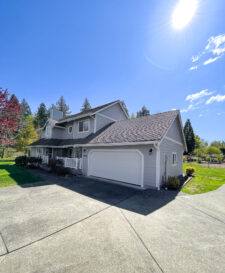
What Bellingham's Climate Actually Does to Board & Batten
Three conditions drive almost every siding failure we see in this neighborhood:
Salt Air
Homes within a mile or two of the bay take on airborne salt that settles into every crevice, seam, and fastener head. On vertical siding, salt-laden moisture tends to collect at the top edge of each batten and behind poorly flashed board joints, where it slowly corrodes fasteners and trim that aren't rated for it.
Driving Rain
Bellingham doesn't just get a lot of rain — a good share of it comes in sideways off the Sound during fall and winter storms. Board and batten has more vertical seams per square foot than lap siding, and every one of those seams is a potential entry point if the batten spacing, fastening, and water-resistive barrier underneath aren't installed correctly.
Moss Season
Long, wet, mild winters mean moss and algae get a five-to-six-month head start on north- and shade-facing walls, which describes a lot of Sehome's tree-lined lots. Moss holds moisture against the substrate far longer than dry siding ever would, and it thrives right where board and batten battens create small ledges and shadow lines.
What a Correct Board & Batten Job Requires Here
Board and batten isn't just "vertical planks with strips over the seams." Installed correctly for this climate, it involves several details that are easy to skip and expensive to fix later:
- A drainage plane behind the panels — a rainscreen gap or furring strategy so any water that gets past the surface can drain and dry instead of sitting against the sheathing.
- Correct batten spacing and fastening — battens fastened into framing, not just into the panel, with spacing that respects the manufacturer's expansion and moisture requirements.
- Flashed and sealed penetrations — every light fixture, hose bib, and vent needs proper flashing, not just a bead of caulk, because caulk is the first thing salt air and UV degrade.
- Corrosion-resistant fasteners and trim — stainless or coated fasteners near the bay side of the neighborhood, where standard galvanized hardware corrodes faster than homeowners expect.
- Bottom clearance — enough gap between the lowest board and grade, decking, or hardscape to keep splash-back and moss from sitting directly against the siding.
Why We Install Board & Batten Only in James Hardie Fiber Cement
We install one siding brand: James Hardie. For board and batten specifically, that means HardiePanel vertical siding paired with Hardie battens, factory-finished in ColorPlus. We don't offer vinyl board and batten, engineered wood panels, or primed cedar boards, and we want homeowners to understand why before they hire us — not after.
Vinyl board and batten is affordable and low-maintenance in dry climates, but it expands and contracts more than fiber cement, which shows at the vertical seams over time, and it's a poor match for the salt-air corrosion and impact resistance this area demands. Engineered wood and primed spruce or cedar board and batten can look beautiful on day one, but they depend entirely on the paint film and end-grain sealing staying intact — and in a climate with this much sustained moisture and moss pressure, that's a maintenance commitment most homeowners underestimate until they're repainting and caulking every few years.
James Hardie fiber cement is non-combustible, dimensionally stable in wet-dry cycling, and factory-finished with ColorPlus technology, so the color and the moisture-resistant coating are baked in rather than applied on site and touched up later. Hardie's HZ10 product line is engineered specifically for the wetter, milder climate zone that includes Western Washington, which is a meaningful distinction from a one-size-fits-all product. It's also backed by a strong transferable limited warranty — but that warranty only holds up if the install itself is done to spec, which is the other half of what you're paying for.
Our Process for a Sehome Board & Batten Project
- On-site assessment — we look at exposure (bay-facing vs. tree-shaded), existing moisture damage, and trim condition before we talk products or pricing.
- Tear-off and substrate check — old siding comes off and we inspect sheathing for rot or hidden moisture damage before anything new goes up.
- Weather barrier and drainage plane — a correctly lapped water-resistive barrier and rainscreen strategy, not an afterthought behind the panels.
- HardiePanel and batten installation — installed to James Hardie's fastening and clearance specifications, which is what keeps the manufacturer's warranty intact.
- Flashing and sealant detailing — every penetration, window, and door properly flashed before final trim.
- Final walkthrough — we go over batten lines, caulk joints, and clearances with the homeowner before calling the job done.
What Board & Batten Costs Depend On
| Factor | Why It Moves the Price |
|---|---|
| Wall complexity | More corners, dormers, and roof intersections mean more cut panels, more flashing detail, and more labor hours per square foot. |
| Existing siding removal | Tear-off of old vinyl, cedar, or engineered wood adds disposal and substrate-repair time before new siding can go on. |
| Substrate condition | Hidden rot or moisture damage found during tear-off requires sheathing repair before installation can continue. |
| Batten and trim detail | Wider trim boards, corner treatments, and custom batten spacing add material and labor beyond a basic panel-and-batten layout. |
| Access and site conditions | Steep lots, mature landscaping, and tight setbacks common in older Sehome lots can slow staging and installation. |
| ColorPlus vs. field-painted | Factory-finished ColorPlus panels cost more up front but eliminate the field-painting labor and future repainting cycles. |
Living With Board & Batten in This Climate
Even the right product, installed correctly, still needs basic upkeep in a place with this much rain and shade. A rinse-down once or twice a year knocks back moss and algae before it takes hold, especially on north-facing walls and anywhere tree cover keeps siding damp longer than the rest of the house. Gutters and downspouts should be checked seasonally — a clogged gutter dumping water directly onto a wall section is one of the most common causes of premature siding failure we see in this neighborhood, and it has nothing to do with the siding brand. Caulk joints around trim and penetrations are worth a visual check every year or two, since UV and salt air break down sealants faster here than in drier inland climates.
Signs Your Current Siding May Need Attention
- Soft or spongy spots when you press on boards or trim, especially near the bottom courses
- Persistent moss or algae that returns within weeks of cleaning
- Visible gaps, warping, or separation at vertical seams or corners
- Peeling or bubbling paint, particularly on wood or engineered wood siding
- Rust streaking from fasteners or trim hardware
- Rising utility bills without another clear explanation, which can point to a compromised weather barrier
Why It Matters That We Already Work in Sehome
A crew that already works this part of Bellingham knows what the exposure looks like on a given street before they even get a ladder out — which walls take the worst of the driving rain, which lots hold shade and moisture longer, and how much salt exposure to plan for based on distance from the bay. That familiarity shows up in decisions homeowners never see: batten spacing adjusted for a shadier elevation, extra attention to flashing on a bay-facing wall, fastener choices that account for corrosion risk. It also means we're working within City of Bellingham permitting and inspection norms as a matter of routine, not something we're figuring out project by project.
If you're weighing board and batten siding for a home in Sehome, we're happy to walk the property, look at what's there now, and give you a straight assessment of what correct installation would involve. There's no cost and no pressure to move forward — just a real look and a real estimate based on your house.