 Bellingham Siding
 Siding Replacement Built for Silver Beach's Climate
Silver Beach homes sit in one of the more exposed pockets of Bellingham when it comes to weather wear. Between salt-laden air moving in off the water, wind-driven rain that hits siding sideways during fall and winter storms, and a moss season that can stretch for most of the year in shaded, tree-covered lots, exterior siding here works harder than it does in drier parts of Whatcom County. If your siding is original to the house, or if it's a product that was never designed for this kind of exposure, you've probably already seen the signs: soft spots near the bottom courses, paint that won't hold, or dark streaking that keeps coming back no matter how many times you pressure wash it.
This page is about siding replacement specifically for Silver Beach — what the climate demands, what a correct installation actually involves, and why the crew doing the work matters as much as the material itself.
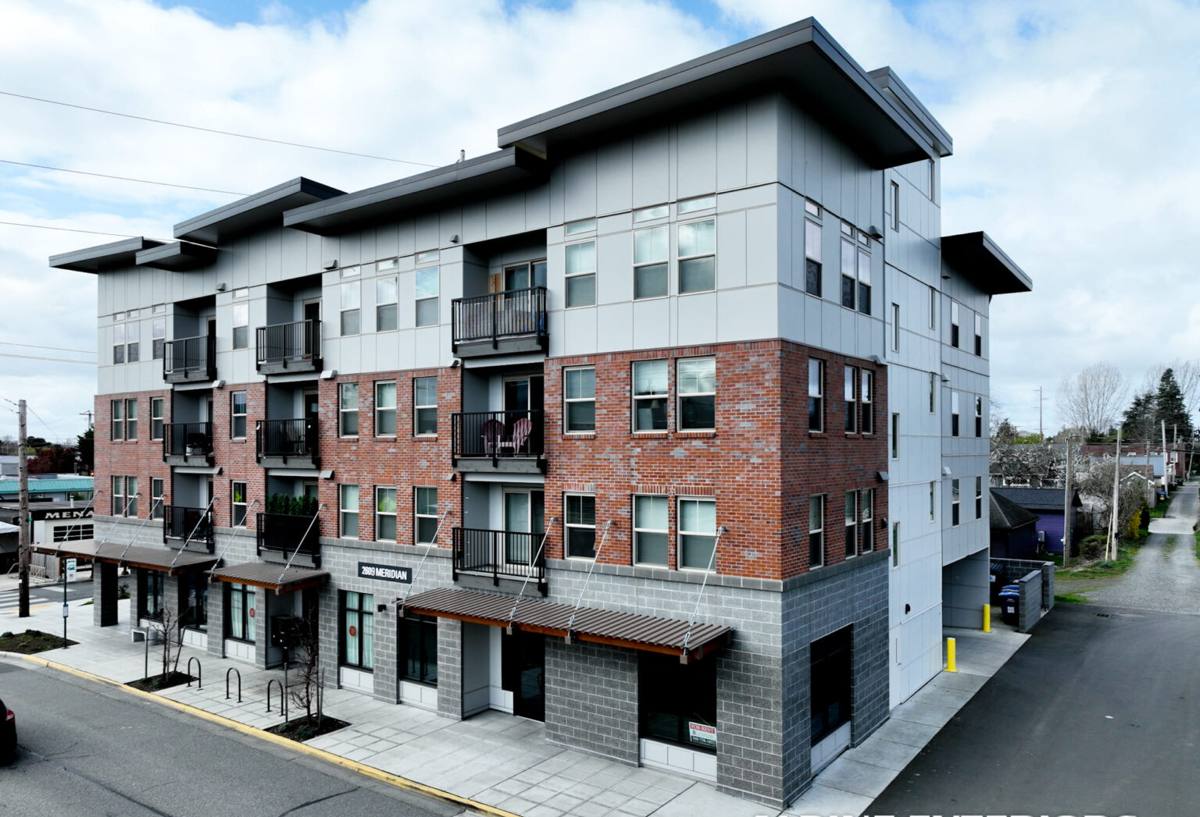
What Silver Beach's Microclimate Does to Siding
Salt Air and Slow Corrosion
Homes closer to the water deal with airborne salt that settles on exterior surfaces and accelerates corrosion of fasteners, flashing, and any metal trim. It also breaks down certain paints and coatings faster than inland areas experience. Siding materials and finishes that aren't formulated to resist this kind of exposure tend to chalk, fade, or lose adhesion years ahead of schedule.
Driving Rain and Wind-Loaded Water
Bellingham's storms don't just drop rain straight down — wind pushes it sideways and up under laps, trim, and butt joints. Siding that depends on caulk and paint film alone to stay sealed will eventually let water behind it. Once moisture gets behind siding, it doesn't dry out quickly in our climate, and that's when sheathing rot and hidden framing damage start.
Moss, Shade, and Trapped Moisture
Many Silver Beach lots have mature trees and shaded north or west-facing walls that stay damp far longer after a storm than a sun-exposed wall would. That's ideal territory for moss and algae growth on siding surfaces, and it also means any water that does get behind the cladding has less chance to evaporate before it does damage.
Signs a Silver Beach Home Needs Siding Replacement
- Soft, spongy, or crumbling siding, especially near the bottom of walls or under windows
- Paint that peels, blisters, or won't hold more than a couple of years between coats
- Persistent moss, algae, or black streaking that returns quickly after cleaning
- Visible gaps, warping, or buckling in siding panels or lap boards
- Cracked or missing caulk at seams, trim, and window/door edges
- Musty smell or soft drywall on interior walls that back up to exterior siding
- Siding that's original to a home built more than 20-25 years ago
Why We Install James Hardie — Not Vinyl, LP, or Cedar
We standardized on James Hardie fiber cement siding for every home we work on in Whatcom County, including Silver Beach, and we don't install vinyl, LP SmartSide, Cemplank, Allura, or wood siding like primed spruce or cedar. That's not a marketing position — it's a practical one based on what actually holds up in this climate.
Vinyl
Vinyl siding is inexpensive and low-maintenance in mild, dry climates, but it isn't the right fit for a wind-driven-rain, salt-air environment. It expands and contracts significantly with temperature swings, its seams and laps rely heavily on lapped fit rather than a sealed system, and impact damage or long-term UV exposure can leave it brittle and prone to cracking. It also can't be painted a different color down the road without specialty products, which limits homeowners long-term.
LP SmartSide, Cemplank, Allura
These are legitimate engineered products, but each comes with trade-offs we've weighed against Hardie. LP SmartSide is wood-strand based, which means it's more sensitive to sustained moisture exposure than fiber cement — a real concern on shaded, damp Silver Beach lots. Cemplank and Allura are also fiber cement, and reasonable products, but we've standardized on one manufacturer so our crews install to one specification, our warranty backing is consistent, and we're not juggling different trim details, fastening schedules, and finish systems across jobs.
Primed Spruce and Cedar
Wood siding can look great, but it demands ongoing maintenance — recoating, caulking, and vigilant moisture management — that most homeowners underestimate until they're a few years in. In a climate with this much rain and shade-driven dampness, wood siding's maintenance curve is steep, and the cost of staying ahead of it over a 20-year period usually exceeds what homeowners expect going in.
Why Hardie
James Hardie fiber cement is non-combustible, dimensionally stable across our temperature and humidity swings, and its ColorPlus factory finish is baked on and warranted separately from the substrate — it resists the fading and peeling that field-applied paint struggles with in salt air. Hardie also builds climate-specific HZ product lines engineered for exactly the kind of freeze-thaw and moisture cycling the Pacific Northwest sees, and it carries a strong transferable warranty when installed to their specifications. That combination is why it's the only siding we put on homes.
What a Correct Siding Replacement Involves
Replacing siding isn't just removing old boards and nailing up new ones. On a Silver Beach home, the parts that matter most are usually the parts you can't see once the job is done.
Tear-Off and Inspection
Once old siding is off, we inspect the sheathing and framing underneath for rot, soft spots, or hidden moisture damage — common on homes that have had water intrusion behind failing siding for years without visible warning signs.
Water-Resistive Barrier and Flashing
A correctly lapped weather-resistive barrier, properly integrated window and door flashing, and rainscreen or drainage detailing where appropriate are what actually keep wind-driven rain out — not the siding surface itself. This is the step that gets rushed or skipped on lower-quality installs, and it's the step that determines whether a home stays dry for the next 30 years.
Fastening and Clearances
Hardie has specific fastening patterns, nail types, and minimum clearances from grade, roofing, and other surfaces that are designed to keep moisture from wicking into the plank ends and edges. Skipping these details voids warranty coverage and shortens the real-world life of the siding.
Trim, Caulking, and Finish Details
Corner boards, trim, and caulking at penetrations need to be done with compatible, high-quality materials — inconsistent detailing here is one of the most common places we see call-backs on other contractors' work.
Cost Factors for Silver Beach Siding Replacement
| Factor | Why It Matters Locally |
|---|---|
| Home size and wall complexity | More corners, gables, and dormers mean more cutting, flashing, and labor time |
| Extent of hidden damage | Rot or moisture damage found during tear-off (more likely on shaded, damp lots) adds repair scope |
| Siding profile and accessories | Lap width, trim style, and accent details affect material and labor cost |
| Access and site conditions | Sloped lots, mature trees, and tight setbacks common in Silver Beach can affect scaffolding and staging |
| Existing layers to remove | Multiple layers of old siding or damaged sheathing replacement add time and disposal cost |
We won't quote a number without seeing the house — anyone who does is either guessing or leaving room to pad the number later. A proper estimate walks the exterior, checks for problem areas, and gives you a written scope before any work starts.
Our Process for a Silver Beach Siding Project
- On-site walkthrough and assessment of current siding condition, problem areas, and drainage/moisture risks specific to your lot
- Written estimate with clear scope — material, trim details, and any sheathing repair contingencies spelled out
- Careful tear-off with inspection of sheathing and framing before anything new goes up
- Correct installation of water-resistive barrier and flashing, then Hardie siding to manufacturer fastening specs
- Final walkthrough with you before we consider the job done
Why Hiring a Crew That Already Works Silver Beach Matters
Siding installation quality varies a lot more than most homeowners expect, and the details that fail first — flashing laps, fastening schedules, clearances — are exactly the details that don't show up in a walk-by inspection. A crew that already works in Bellingham and Whatcom County has seen how homes in this specific climate actually fail over time, not just how they're supposed to perform on paper. That experience shows up in decisions like where to add extra flashing attention, how to handle a shaded wall that stays damp longer, and which trim details hold up against salt air instead of just looking good on installation day.
It also matters for accountability. A local, established crew is the one you can call back in five years if something needs attention — not a name that disappeared after the invoice cleared.
If your Silver Beach home's siding is showing its age or you're just planning ahead, we're glad to walk the exterior with you and give you an honest, no-pressure estimate. There's no obligation — just a straight assessment of what your home actually needs.