 Bellingham Siding
 Custom Windows Built for Columbia's Coastal Climate
Columbia sits close enough to Bellingham Bay that salt-laden air, wind-driven rain, and long stretches of gray, damp weather are simply part of owning a home here. Windows in this part of Whatcom County work harder than windows almost anywhere else in the state. They're asked to hold a seal through winter storms coming off the water, resist corrosion from salt in the air, and shed months of moss-friendly moisture without ever giving that water a path into the wall behind them. A window that's merely "good" somewhere drier can fail quietly here — fogging between panes, swelling at the sill, or letting cold drafts in around a frame that's shifted with the seasons.
Custom windows aren't about luxury add-ons. For most Columbia homes, "custom" simply means windows sized, framed, and flashed to fit the actual opening and the actual house — not a generic stock size forced into place with extra caulk and shims. That distinction matters more here than in a dry climate, because every gap left by an ill-fitting window is a spot for driving rain to find its way in.
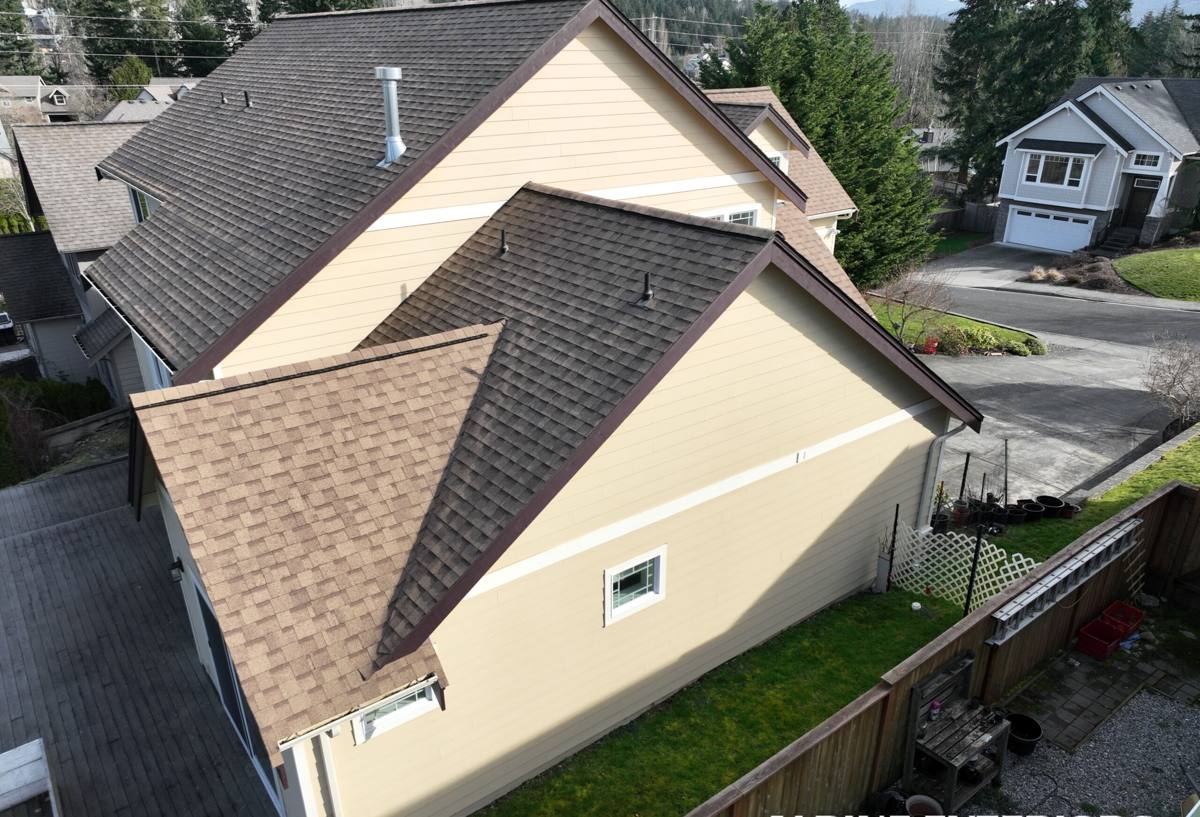
What Columbia's Weather Actually Does to a Window
Before talking about products or process, it helps to understand what you're up against in this neighborhood specifically:
- Salt air accelerates corrosion on lower-grade aluminum and unprotected fasteners, and it degrades cheap exterior finishes faster than inland weather does.
- Driving rain — wind-blown rather than straight-down — gets pushed sideways into any gap around a sash or frame, which is why flashing detail matters as much as the window unit itself.
- Long moss season means near-constant surface moisture on north- and west-facing exteriors for much of the year, which keeps wood trim and sills damp longer and gives mold and rot more time to take hold if a seal has failed.
- Temperature swings between chilly, damp nights and milder days cause repeated expansion and contraction, which is what eventually opens up small gaps in poorly installed frames.
None of these are dramatic events on their own. They're slow, cumulative pressures — which is exactly why window failures in this area tend to show up gradually, as a soft spot in a sill or a draft that wasn't there two winters ago, rather than all at once.
Signs a Columbia Home Needs Window Replacement
Homeowners in this neighborhood usually notice one of these first:
- Fogging or a visible haze between the panes of a double- or triple-pane window — a sign the seal has failed and the gas fill is gone
- Soft, discolored, or spongy wood at the sill or lower frame corners
- A draft you can feel standing near the window on a windy day, even with it closed and locked
- Difficulty opening, closing, or locking a window that used to operate smoothly
- Visible moss, black staining, or persistent dampness on the exterior trim around the frame
- Noticeably higher heating bills without another clear cause
Any one of these is worth a look. Together, or on a home with several windows original to its construction, they're usually a sign it's time to plan for replacement rather than another round of caulk and patching.
What a Correct Custom Window Job Involves
Accurate measurement and framing
Every opening in an older Columbia home has settled a little differently. Custom work starts with measuring the actual rough opening — not assuming it matches a catalog size — and confirming the framing underneath is sound before anything new goes in. If there's rot or soft wood at the sill, that gets addressed first. Installing a new window into a compromised opening just hides the problem behind fresh trim.
Flashing and water management
This is the step that matters most in a driving-rain climate and the one most often shortchanged. Proper flashing directs any water that gets past the exterior siding back out and away from the wall cavity, rather than trapping it. That means correctly lapped house wrap, sill pan flashing to catch and redirect water that reaches the opening, and careful sealant work at the right layers — not just a bead of caulk around the outside trim.
Air sealing and insulation
Gaps between the window frame and the rough opening get filled with proper low-expansion foam or backer rod, not stuffed with fiberglass that does nothing to stop air movement. This is what actually stops the drafts homeowners notice on windy nights.
Material and hardware selection
In salt air, hardware and fasteners matter as much as the frame material. We use corrosion-resistant hardware and finishes suited to coastal exposure, and we're upfront about which frame materials hold up well here versus which ones need more upkeep near the water.
Comparing Window Frame Materials for a Salt-Air, High-Rain Climate
| Material | How it handles salt air & moisture | Maintenance | Typical lifespan |
|---|---|---|---|
| Vinyl | Won't corrode or rust; performs well near salt air | Low — occasional cleaning | 20–30+ years |
| Fiberglass | Very stable in wet, temperature-swinging conditions; strong moisture resistance | Low | 30–40+ years |
| Wood (clad exterior) | Good if exterior is fully clad and detailing is correct; bare wood struggles in this climate | Moderate to high on any exposed wood | 20–30 years, depends on maintenance |
| Aluminum (uncoated/lower grade) | Prone to corrosion and pitting in salt air over time | Higher — finish upkeep needed | Varies widely by coating quality |
We don't push one material on every home. A lot of it comes down to your home's existing trim, your budget, and how much upkeep you want to take on. What we won't do is install a frame material or finish that we know struggles in this specific setting just because it's cheaper up front — we'd rather explain the trade-off honestly and let you decide.
Our Process for Columbia Window Replacement
1. On-site assessment
We look at each window individually — not just the glass, but the sill, trim, and surrounding wall for signs of past water intrusion. This tells us whether it's a straightforward replacement or if there's framing repair to fold into the scope.
2. Precise measurement and product selection
We measure every opening and walk through frame material, glass package, and hardware options based on that window's exposure — a window facing the prevailing wind and rain gets treated differently than a sheltered one on the lee side of the house.
3. Removal and opening prep
Old windows come out carefully to avoid damaging surrounding siding or trim. Any rot or soft framing found at this stage gets repaired before the new unit goes in.
4. Installation with full flashing and sealing
This is where the driving rain and moss-season moisture actually get managed — sill pan flashing, properly lapped house wrap, correct sealant placement, and air sealing at the frame.
5. Final check and cleanup
We test operation, check the seal, and make sure the surrounding trim and siding are finished properly before we consider the job done.
Why Local Experience in Columbia Matters
A crew that's worked other homes in this neighborhood already knows how exposure varies block to block — which sides of a house typically take the worst of the wind-driven rain, how the moss builds up on north-facing trim, and which older Columbia homes tend to have specific framing quirks around their original window openings. That's not something a crew coming from a drier, inland part of Whatcom County will necessarily anticipate on their first visit. It shows up in small decisions: where extra flashing attention is worth it, which sills are worth opening up to inspect versus which ones are clearly sound, and how to sequence work around Bellingham's wetter months so an opening isn't left exposed longer than it needs to be.
It also means we're not guessing at what "normal" looks like for a home in this area. A little moss on the north-facing trim of a Columbia house isn't automatically a red flag — but moss combined with soft wood underneath is. Knowing the difference comes from having done this work in this specific climate, repeatedly.
What to Ask Before Hiring a Window Contractor Here
- Do you use sill pan flashing on every installation, not just some?
- How do you handle rot or soft framing if it's discovered once the old window is out?
- What frame materials and hardware finishes do you recommend for a home near the bay, and why?
- Is the installation warranty separate from the manufacturer's product warranty, and what does each cover?
- Can you walk me through how water is managed at the sill and header on my specific window openings?
A contractor who can answer these clearly, without hedging, is one who's done this work enough times in this climate to know it matters.
Get an Honest Look at Your Columbia Home's Windows
If your windows are fogging, drafty, or showing soft spots at the sill, it's worth having someone look before another wet Bellingham winter sets in. We'll walk your home, tell you honestly what we see, and give you a straightforward estimate — no pressure, no upsell. Use the form below to request a free estimate.