 Bellingham Siding
 Window Installation for Silver Beach Homes
Silver Beach sits in one of Bellingham's older, established residential pockets, where a lot of the housing stock still carries its original single-pane or early-generation double-pane windows. Those windows were fine for their era, but they were never built for the amount of moisture this part of Whatcom County sees over a typical year. When we're called out to a Silver Beach home for window work, we're rarely dealing with a simple swap-and-go. We're dealing with decades of accumulated moisture exposure around the frame, sill, and header — and that changes how the job needs to be done.
This page is specifically about window installation and replacement for Silver Beach properties, not a general overview of window products. If you live in this neighborhood, the goal here is to explain what your home actually needs, what a correct installation looks like, and why the details matter more here than they would in a drier climate.
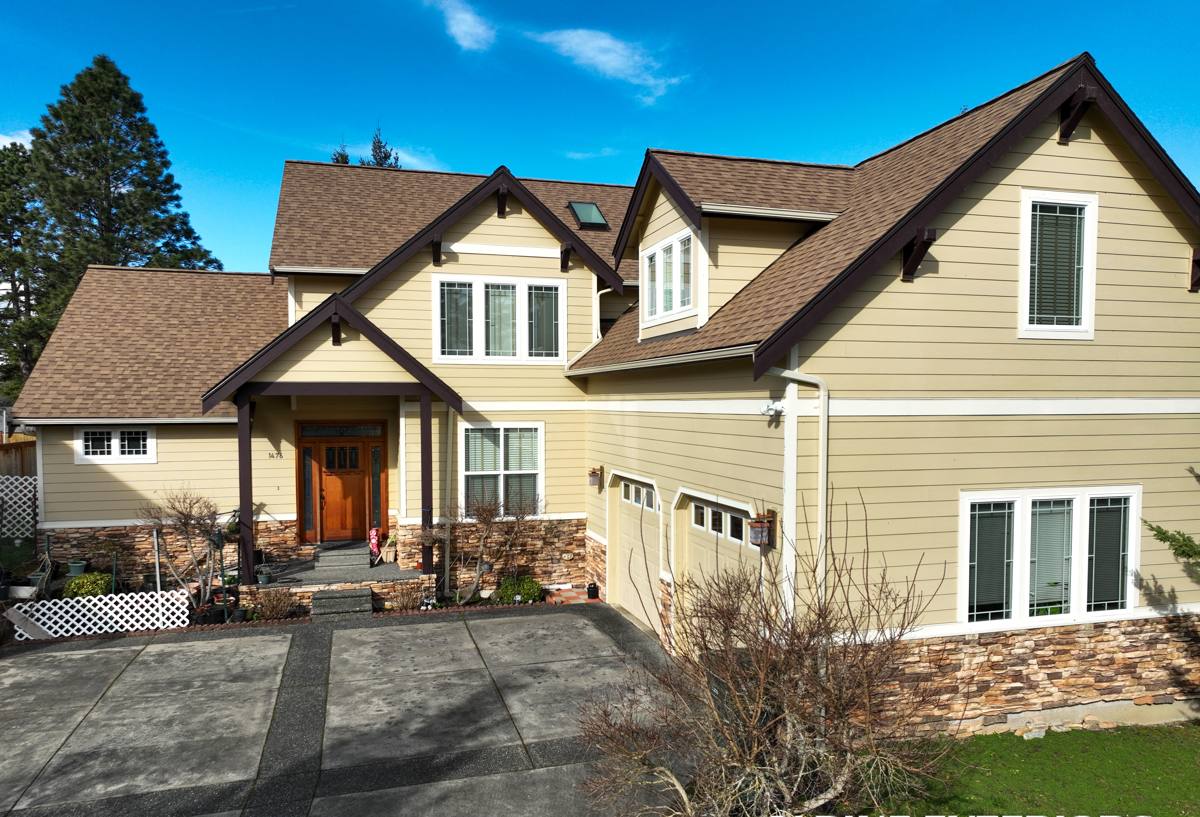
How Whatcom County's Climate Wears Down Windows
Bellingham's location puts every home in this area under a specific combination of stresses: persistent moisture in the air, sustained wind-driven rain events, and long stretches of overcast, low-airflow weather that lets organic growth take hold on anything that stays damp. Silver Beach homes get all three, and older windows show the effects in predictable ways.
Moisture-laden air and slow material fatigue
Wood sash and frame components absorb ambient moisture even without direct rain contact. Over years, that cycle of swelling and drying loosens joints, cracks paint and caulk seals, and softens wood fiber — especially at the bottom rail and sill, where water naturally collects. Aluminum-frame windows from earlier decades conduct cold straight through the frame, which leads to condensation on the interior side during cooler months, and that condensation is its own slow moisture problem.
Driving rain and wind exposure
It's not just how much rain falls — it's how it arrives. Wind-driven rain hits window assemblies at an angle, pushing water up under sills and behind trim rather than letting it simply run down the glass. A window that was installed with adequate flashing and drainage handles this fine. A window that wasn't — or one where the flashing has failed with age — lets water track behind the siding and into the wall cavity, often well before there's any visible sign indoors.
The long moss season
Extended damp, shaded conditions are exactly what moss and algae need to establish themselves, and that growth doesn't stay confined to roofs. It creeps onto window sills, into frame corners, and along horizontal trim, holding moisture against the surface for weeks at a time. On wood-frame windows in particular, that sustained contact accelerates rot at exactly the spots where structural integrity matters most.
Signs a Silver Beach Home Needs Window Replacement
Not every issue means a full replacement, but these are the signals we take seriously on inspection:
- Soft or spongy wood at the sill, bottom rail, or corners when pressed
- Persistent fogging or moisture between panes on double-pane units (a sign the seal has failed)
- Windows that are difficult to open, close, or lock — often a sign of frame swelling or settling
- Visible gaps between the frame and siding, or cracked/missing exterior caulk
- Noticeable drafts or a cold zone near the window even with it fully closed
- Paint that's bubbling, peeling, or discolored specifically around the window opening
- Moss or dark staining that keeps returning to the same spot no matter how often it's cleaned
- A visible rise in heating costs without any other explanation
One or two of these on their own might just mean a repair or resealing. Several together, especially soft wood combined with fogged glass, usually mean the window and possibly some of the surrounding framing need to come out.
What a Correct Window Installation Actually Involves
The window unit itself is only part of the job. Most of the long-term performance of a window comes down to what happens around it during installation — the parts that aren't visible once the trim goes back on.
Removal and structural inspection
When we pull an old window, we inspect the rough opening, sill plate, and header for hidden rot or water damage before anything new goes in. Installing a new window into a compromised opening just relocates the problem — it doesn't solve it. Any soft or damaged framing gets cut out and replaced before the new unit is set.
Flashing and drainage
Proper flashing directs water that gets behind the siding back out and away from the wall assembly, rather than letting it pool at the sill. This is the single most common shortcut we see in older or budget installations, and it's the one most responsible for hidden rot showing up years later. We flash every opening as if it will see driving rain from every direction, because in this part of Whatcom County, it eventually will.
Air sealing and insulation
The gap between the window frame and the rough opening needs to be sealed with the right materials — not just caulked shut on the surface. Low-expansion foam or backer rod and sealant around the perimeter stops both air infiltration and moisture intrusion, and it's a major factor in how drafty or efficient a window feels once it's in.
Interior and exterior finish work
Trim, casing, and caulking are the last step, but they're not cosmetic afterthoughts — a poorly sealed exterior trim line is a direct path for water to reach the framing again. We finish every installation with the same weather-resistance standard we use for the structural work underneath it.
Choosing the Right Window Type for This Climate
Material choice matters more here than in drier regions, mainly because of how each material handles sustained moisture exposure and how much upkeep it demands afterward.
| Frame Material | Moisture Performance | Maintenance | Best Fit |
|---|---|---|---|
| Vinyl | Won't rot; handles moisture well | Low — occasional cleaning | Most Silver Beach homes, budget-conscious replacements |
| Fiberglass | Excellent; very stable in wet/cold swings | Low | Homes wanting long-term durability, less flexing over time |
| Wood (clad exterior) | Good if exterior cladding is intact; vulnerable if damaged | Moderate to high | Homes prioritizing a traditional interior wood look |
| Aluminum | Prone to condensation; poor thermal break in older styles | Moderate | Rarely our recommendation for this climate |
We generally steer Silver Beach homeowners toward vinyl or fiberglass frames for full window replacements, not because other materials are bad products, but because they hold up with the least maintenance burden in a climate that punishes anything porous or thermally weak. Solid wood without cladding requires a level of upkeep — repainting, caulk renewal, moisture checks — that most homeowners underestimate until they're a few years in.
Glass package considerations
Beyond frame material, the glass package matters for this climate too. A quality double-pane unit with a low-E coating and warm-edge spacer performs noticeably better against condensation and heat loss than older double-pane glass, and it's worth the modest upgrade over single-pane replacement in nearly every case we see here.
Our Installation Process
1. On-site assessment
We walk the exterior and interior of every window being considered, checking sill condition, frame integrity, and signs of past water intrusion — not just measuring for a new unit.
2. Honest scope and estimate
You get a clear picture of what's a straightforward swap versus what involves rot repair or additional framing work, before we start, not as a surprise mid-project.
3. Removal and prep
Old units come out carefully to protect surrounding siding and interior finishes, and the opening gets inspected and repaired as needed.
4. Installation with full flashing and sealing
Every new window is set plumb and level, flashed correctly for water drainage, and sealed on both the exterior and interior per manufacturer specifications.
5. Finish work and cleanup
Trim and caulking are completed to match the home's existing exterior, and the work area is cleaned before we walk it with you.
What Window Installation Typically Costs
Costs vary based on window count, size, material, and whether hidden framing repair is needed once the old unit is out — which is common enough in this climate that we always budget for the possibility rather than assume the best case.
| Factor | Why It Changes Cost |
|---|---|
| Frame material (vinyl vs. fiberglass vs. wood) | Material and manufacturing cost differences |
| Window size and configuration | Larger units, bay/bow, or custom shapes cost more than standard sizes |
| Hidden rot or framing damage | Discovered only after removal; adds labor and material |
| Number of windows done at once | Per-unit cost typically drops on multi-window jobs |
| Glass package upgrades | Low-E coatings and better spacers add modest cost, improve performance |
We don't quote sight-unseen prices for a reason — the honest number depends on what we find once a window is out, and we'd rather give you an accurate range after a walkthrough than a low estimate that grows once work starts.
Why Local Installation Experience Matters
Window installation isn't just a national trade skill applied the same way everywhere. A crew that regularly works homes in Silver Beach and the surrounding Bellingham area knows which sill details tend to fail first on the housing stock common to this neighborhood, how much flashing overlap actually holds up against wind-driven rain off the water, and where moss and moisture problems typically hide before they become visible. That familiarity shows up in fewer callbacks and fewer surprises once trim comes off an old window.
It also means we're not guessing about how Whatcom County's weather patterns interact with a specific installation detail — we've seen the failure points before, on homes very similar to yours, and we build around them from the start.
Get a Free, No-Pressure Estimate
If you're seeing soft sills, fogged glass, drafts, or recurring moss around your windows, it's worth having someone look at it before the framing behind it gets worse. We'll walk your home, give you an honest read on what's needed, and put together a clear estimate with no pressure to commit on the spot. The form below is the easiest way to get started.