 Bellingham Siding
 Fiber Cement Siding Built for Lynden's Weather
Lynden sits in the part of Whatcom County where marine air off the Salish Sea meets long, wet winters and a growing season practically made for moss. Homes here take a different kind of beating than siding fifty miles inland — not brutal heat or hard freezes, but months of sustained dampness, wind-driven rain that finds every gap, and a fine salt residue that settles on north and west-facing walls near the water and works its way inland on stronger weather systems. Siding that isn't engineered for that combination fails quietly, from the inside out, long before it looks bad from the curb.
We install fiber cement siding for homeowners in and around Lynden, and we've built our process specifically around what this climate does to a house over ten, twenty, and thirty years — not just what a product looks like on install day.
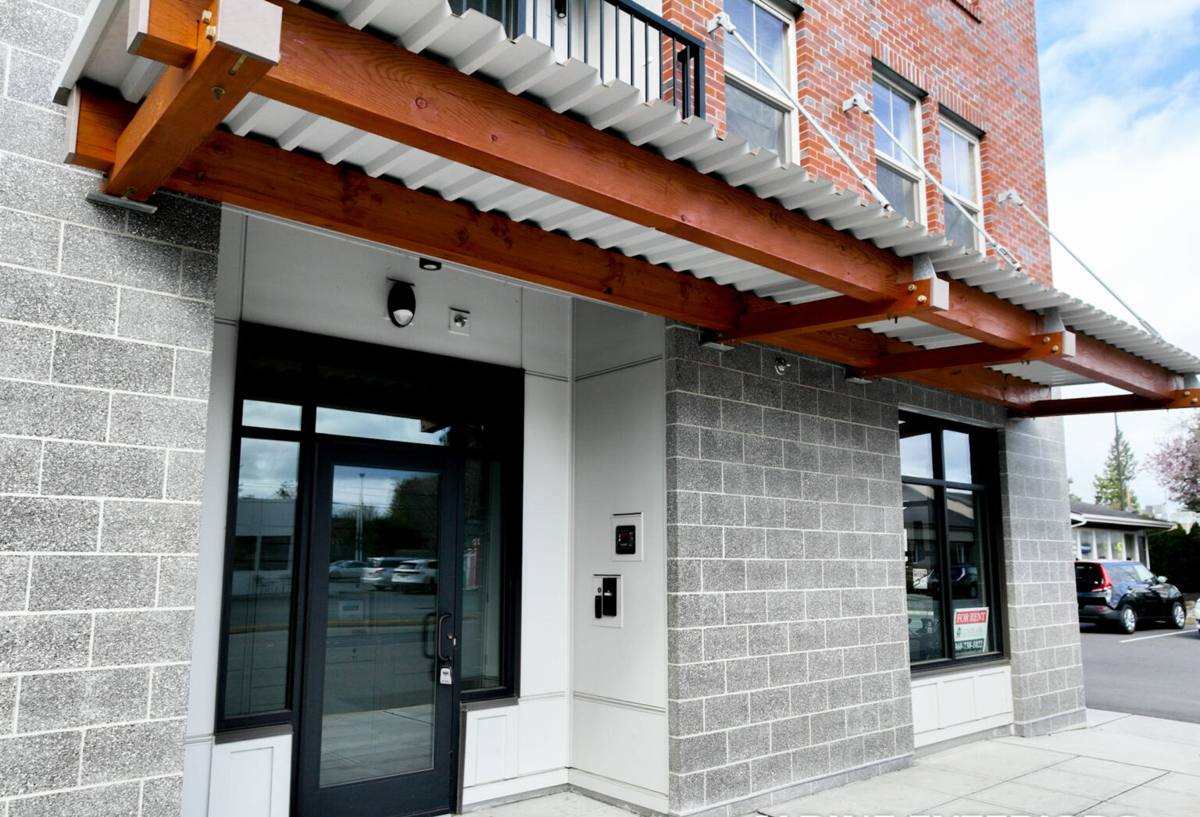
What Salt Air, Driving Rain, and Moss Season Actually Do
Moisture Behind the Cladding
Whatcom County doesn't get occasional downpours — it gets weeks of low-grade, sideways rain pushed by wind off the water. That kind of weather doesn't just wet the surface of your siding; it drives moisture into seams, laps, and fastener penetrations if they weren't detailed correctly the first time. Once water gets behind the cladding, it doesn't dry out quickly in a climate where the air itself stays damp for months at a stretch.
Moss and Organic Growth
Moss needs shade, moisture, and time — Lynden's tree cover and long wet season hand it all three. On siding materials that hold moisture at the surface, moss and algae take hold in shaded corners, under eaves, and on north walls, and they hold water against the material even longer once established. That's a maintenance burden on some products and a non-issue on others, and it's one of the real differences between siding types that homeowners rarely hear about until they own the house.
Salt Exposure
Homes closer to Bellingham Bay and the surrounding waterways see fine salt carried on the wind. It's not the corrosive coastal exposure you'd get on the open Pacific coast, but over years it accelerates the breakdown of unprotected wood fiber and speeds up paint failure on anything that wasn't finished to hold up outdoors long-term.
Why We Only Install James Hardie Fiber Cement
We made a deliberate decision to install one siding system — James Hardie fiber cement — and not offer vinyl, LP SmartSide, Cemplank, Allura, or bare cedar or primed spruce. That's not a marketing position; it's a standard we hold because of what we've seen these products do, and not do, in exactly this climate.
Fiber cement is cement, sand, and cellulose fiber pressed into a dense, stable board. It doesn't feed moss the way wood-based products can, it doesn't soften or delaminate when it stays wet for weeks, and it's non-combustible — a real consideration as wildfire smoke seasons have become a normal part of Pacific Northwest summers. James Hardie's ColorPlus finish is baked on at the factory under controlled conditions, which gives it a more consistent, longer-lasting bond than field-applied paint, and their HZ5 product line is engineered specifically for the freeze-thaw and moisture cycling of climates like ours. The warranty is transferable and backed by a manufacturer with decades of track record — not a small detail if you plan to sell the home someday.
None of that means other products are junk. LP SmartSide is engineered wood with real strengths; cedar has a look some homeowners want badly enough to accept the upkeep; vinyl is inexpensive and low-maintenance in the right setting. We simply won't put our name on an install using a product we don't think holds up to what Whatcom County throws at it over the long run, and we'd rather turn down that work than warranty something we don't trust.
Fiber Cement vs. the Alternatives, Straight Up
| Material | Moisture Behavior | Fire Rating | Long-Term Maintenance |
|---|---|---|---|
| James Hardie Fiber Cement | Dimensionally stable, resists swelling and rot | Non-combustible | Repaint cycle 15+ years with ColorPlus finish |
| Vinyl | Doesn't absorb moisture, but seams and gaps trap it behind the panel | Combustible, can warp near heat sources | Low upkeep but fades, cracks in cold, hard to color-match repairs |
| LP SmartSide / Engineered Wood | Wood-based core is moisture-sensitive at cut edges and seams | Combustible | Requires diligent caulk and paint maintenance to avoid edge swelling |
| Cedar / Primed Spruce | Absorbs moisture readily, needs consistent sealing | Combustible | Frequent refinishing; prone to moss and rot in shaded, damp areas |
What a Correct Installation Actually Involves
Fiber cement is only as good as the install behind it. A large share of the siding failures we get called out to inspect aren't product problems — they're installation shortcuts that let water in behind a product that was never designed to manage it once it's past the surface. A correct job includes:
- A properly lapped weather-resistant barrier (housewrap) with all seams and penetrations taped and sealed before a single board goes up
- Rainscreen or furring strip installation where conditions call for it, giving any moisture that does get behind the siding a path to drain and dry
- Correct fastener type, spacing, and placement per the James Hardie installation specification — not just "close enough"
- Properly flashed and caulked window and door penetrations, the single most common point of water intrusion on any siding job
- Factory-mitered or properly field-cut corners and butt joints sealed to keep water from wicking into cut edges
- Correct clearance from grade, decks, and roof lines so siding never sits in standing water or gets soaked by roof runoff
Skip any one of these and you can end up with a house that looks right for a few years and then starts showing soft spots, staining, or paint failure at exactly the joints and corners that were rushed.
Our Process for Lynden Projects
1. On-Site Assessment
We walk the exterior with you, check the current siding and any water intrusion points, and look at drainage, roof lines, and grading — the things that determine how the new siding will actually perform, not just how it will look.
2. Detailed, Written Estimate
You get a scope that spells out product line, color, trim details, and what happens at every window, door, and corner — no vague line items.
3. Weather Barrier and Drainage Plan
Before any siding goes up, we address the housewrap, flashing, and drainage plane. This is the step that determines whether your siding stays dry behind the surface for the next thirty years.
4. Installation to James Hardie Spec
Fastening, spacing, and joint treatment follow the manufacturer's installation requirements, not shortcuts — this is also what keeps the manufacturer's warranty valid if you ever need it.
5. Final Walkthrough
We go over the finished job together, caulk lines, trim, paint touch-up, and site cleanup, before we call it done.
Cost Factors on a Lynden Fiber Cement Project
| Factor | Why It Matters |
|---|---|
| Home size and wall complexity | More corners, gables, and dormers mean more cutting, flashing, and labor time |
| Condition of existing sheathing | Rot or water damage found once old siding comes off adds repair scope before new siding can go on |
| Rainscreen vs. direct application | A drainage gap adds material and labor but improves long-term moisture performance in a wet climate |
| Board profile and color | Lap width, shake-style panels, and ColorPlus color selection affect material cost |
| Trim and accent work | Window and door trim, corner boards, and fascia detailing add finish-level labor |
We don't quote a number without walking the house first — anything else is a guess, and guesses are how homeowners end up with surprise change orders halfway through a project.
Signs Your Lynden Home May Need New Siding
- Paint that's peeling, bubbling, or chalking faster than a normal repaint cycle would explain
- Soft spots, especially near the bottom courses, around windows, or below rooflines with runoff
- Persistent moss or dark streaking that comes back within a season of cleaning
- Visible gaps, cracking, or warping at seams and corners
- A musty smell or higher-than-expected humidity inside exterior walls
- Siding that's original to a home built more than 20-25 years ago, especially in wood-based products
Why a Crew That Already Works Lynden Matters
Whatcom County's mix of coastal exposure, tree cover, and rainfall pattern isn't the same everywhere, and it isn't the same as what a crew coming up from Seattle or over from Spokane deals with day to day. A local crew already knows to plan around the wet season for scheduling, already understands which wall orientations in this area tend to hold moss and need extra drainage detailing, and is still going to be a local phone call away five or ten years from now if a warranty question comes up. That last part matters more than most homeowners think about until they need it.
If you're weighing a siding replacement in Lynden or elsewhere in Whatcom County, we're happy to take a look at your home, walk you through what we're seeing, and put together a straightforward, no-pressure estimate — just use the form below to get started.