 Bellingham Siding
 Siding Built for What Barkley Homes Actually Deal With
Barkley sits close enough to the water and the marine weather patterns that move through Bellingham that its homes take a steady beating most homeowners underestimate until they're standing in front of a wall of rotted trim. Salt-laden air off Bellingham Bay accelerates corrosion on fasteners and metal flashing. Driving rain, pushed sideways by wind off the water, finds every gap in a poorly installed siding system. And the long, damp moss season that runs from fall through spring keeps north- and shade-facing walls wet for weeks at a time, which is exactly the condition that rots wood-based siding and delaminates cheaper composite panels.
None of this is unique to one street or one subdivision — it's the reality for exterior work anywhere in Whatcom County. But it matters more in Barkley than a lot of homeowners realize, because a siding job that would hold up fine in a drier inland climate can fail here in a fraction of the time. The right material and the right installation details aren't optional upgrades in this area — they're the difference between siding that lasts decades and siding that needs attention again in five or six years.
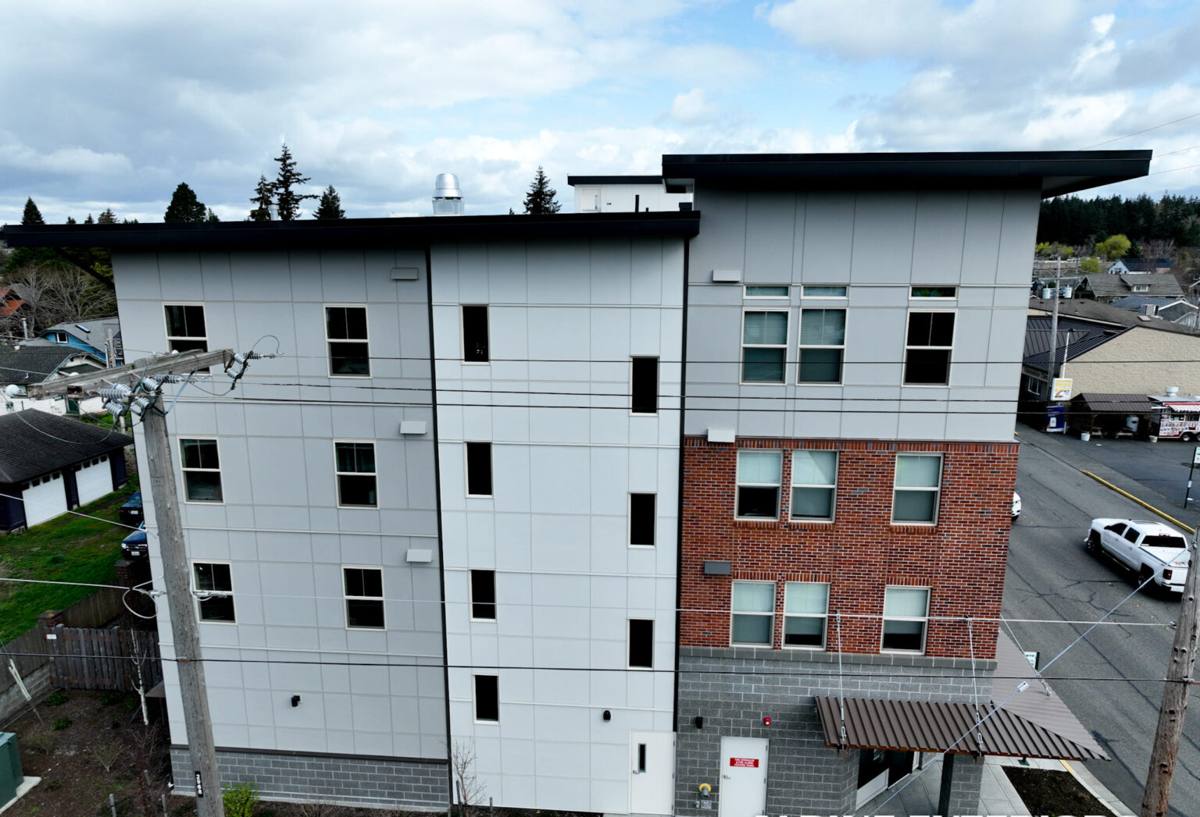
What Correct Siding Installation Actually Involves
Siding is a system, not a single product nailed to the wall. A correct installation in a climate like this one has several layers working together, and skipping or rushing any one of them is where most premature failures start.
The Weather-Resistive Barrier Comes First
Before a single piece of siding goes up, the wall needs a properly lapped and sealed weather-resistive barrier. In a wet climate, this layer is what keeps incidental moisture that gets past the siding from reaching the sheathing and framing. Seams have to be taped or lapped in the correct direction — shingle-style, top over bottom — so water sheds down and out instead of working its way in.
Flashing at Every Penetration
Windows, doors, hose bibs, light fixtures, vents — every place something interrupts the wall plane is a place water wants to get in. Proper flashing, installed in the right sequence with the weather barrier, is non-negotiable. This is one of the most common places we find corner-cutting on older installations, and it's almost always where rot starts first.
Rainscreen Gap and Ventilation
Because Whatcom County stays damp for so much of the year, giving siding a way to dry out matters as much as keeping water from getting behind it in the first place. A ventilated gap between the weather barrier and the siding lets any moisture that does get through evaporate instead of sitting against the wall assembly.
Fastening and Clearances
Fiber cement siding has specific fastener spacing, nail penetration depth, and clearance requirements — from grade, from roof lines, from decks and patios — that are spelled out by the manufacturer for a reason. Undriven or overdriven nails, wrong fastener spacing, and siding installed too close to the ground are common shortcuts that shorten a product's real-world life regardless of how good the material itself is.
Why We Install Only James Hardie Fiber Cement
We made a decision years ago to install one siding system and do it right, rather than offer every product on the market and let quality vary by what we happened to be installing that week. James Hardie fiber cement is what we put on homes, full stop — we don't install vinyl, LP SmartSide, primed wood, or other fiber cement brands like Cemplank or Allura.
That's a deliberate standard, not a sales pitch. Fiber cement handles this region's moisture cycle better than wood-based or engineered-wood products because it isn't wood — it won't swell, delaminate at cut edges, or feed fungal growth the way wood fiber products can when they stay damp for extended periods, which is a real risk during a Bellingham moss season. It's also non-combustible, which matters for wildfire-adjacent insurance considerations even on the wetter side of the Cascades. James Hardie's ColorPlus factory finish is baked on under controlled conditions and backed by a real finish warranty, which means less repainting over the life of the siding than field-painted alternatives. And Hardie's HZ5 product line is engineered specifically for climates like ours — freeze-thaw cycling, high moisture exposure, and coastal conditions.
We're not going to tell you every other product on the market is junk — vinyl and LP SmartSide both have legitimate uses and loyal installers. We simply won't put our name behind a job using them, because we've standardized on the one system we're confident will perform in this specific climate for decades with normal maintenance.
Our Installation Process for Barkley Homes
| Step | What Happens | Why It Matters Here |
|---|---|---|
| Assessment & tear-off | Remove old siding, inspect sheathing and framing for hidden moisture damage | Wet climates hide rot behind intact-looking siding; catching it early avoids surprises mid-job |
| Sheathing repair | Replace any compromised sheathing or framing before moving forward | New siding over damaged sheathing just buries the problem |
| Weather barrier & flashing | Install and properly lap the weather-resistive barrier, flash all penetrations | This layer does the real waterproofing work behind the siding |
| Rainscreen installation | Create a ventilated drainage gap behind the siding | Lets moisture escape instead of sitting against the wall during long wet stretches |
| Hardie panel installation | Install to manufacturer fastening and clearance specs | Correct fastening is what keeps panels performing through wind-driven rain and freeze-thaw cycles |
| Trim, caulking & touch-up paint | Finish trim work and seal joints with the correct sealants | Poor caulking is one of the top causes of early water intrusion |
| Final walkthrough | Inspect the completed job with the homeowner | Confirms everything meets spec before we call it done |
Matching the Right Hardie Product to a Barkley Home
James Hardie makes several distinct product lines, and picking the right one depends on the home's style, exposure, and what look the homeowner wants.
| Product | Best For | Look |
|---|---|---|
| HardiePlank lap siding | Most homes; the standard choice for traditional and modern styles alike | Classic horizontal lap, multiple width and texture options |
| HardiePanel vertical siding | Modern builds, accent walls, gable ends | Clean vertical lines, often paired with battens |
| HardieShingle siding | Craftsman and cottage-style homes, accent gables | Staggered or straight-edge shingle profile |
| HardieTrim boards | Corners, window and door surrounds, fascia | Clean, paintable trim that resists the moisture damage wood trim suffers here |
For homes in Barkley specifically, we lean toward specifying HZ5 products given the combination of coastal humidity and winter freeze-thaw swings this part of Whatcom County sees. It's a small spec difference that makes a real difference over 20-30 years.
What Drives the Cost of a Siding Installation
Every home is different, so we won't quote a number without seeing the job, but these are the factors that move the price up or down on most projects:
| Factor | Impact on Cost |
|---|---|
| Home size and wall area | Straightforward per-square-foot driver |
| Number of stories | Multi-story homes need more scaffolding/lift access and labor time |
| Existing siding removal | Tear-off adds labor; some old sidings (older wood or asbestos-cement) require careful handling |
| Sheathing/framing repair | Hidden rot found during tear-off is the most common source of cost changes mid-project |
| Architectural detail | Complex rooflines, multiple gables, and trim-heavy designs add labor |
| Product line and profile | Shingle profiles and premium ColorPlus colors cost more than standard lap in a factory primed finish |
Signs a Barkley Home Needs New Siding
- Visible cracking, buckling, or warping panels
- Soft spots when you press on the siding, especially near the bottom courses or under windows
- Paint that keeps failing in the same spots no matter how often it's repainted
- Persistent moss or mildew staining on north- or shade-facing walls that comes back after cleaning
- Visible gaps, loose panels, or pulled fasteners around corners and trim
- Rising energy bills that coincide with drafts you can feel near exterior walls
- Siding that's original to a home built more than 25-30 years ago, especially wood or older composite products
Why It Matters to Hire a Crew That Already Works in Barkley
Siding installation isn't just a product choice — it's a set of judgment calls made on-site: how to detail flashing around a particular window style, how much rainscreen gap a given wall assembly needs, how to handle an unexpected pocket of rot found mid-tear-off. A crew that's already worked on homes throughout Bellingham and Whatcom County has seen the moisture patterns this specific climate produces and knows what corners genuinely can't be cut here, versus what's fine to simplify. That local repetition is worth more than any brochure claim — it shows up in how the job actually holds up five and ten years later.
It also means straightforward logistics: material delivery, scheduling around the region's wetter months, and being available if something needs a follow-up look after the first real winter storm tests the new siding.
Maintenance After Installation
James Hardie siding is genuinely low-maintenance compared to wood or vinyl, but "low-maintenance" isn't "no-maintenance" in this climate. An occasional rinse to knock off accumulated grime and moss spores, a yearly walk-around to check caulking at trim joints, and prompt attention to any landscaping that's grown up against the wall will keep the system performing for its full service life. We're happy to walk any homeowner through what a realistic maintenance routine looks like for their specific home and exposure.
If your Barkley home's siding is showing its age, or you're planning ahead of a repaint you'd rather not do again in five years, we're glad to take a look and put together a free, no-pressure estimate — just fill out the form below.