 Bellingham Siding
 South Hill's Climate Is Harder on Siding Than It Looks
South Hill sits up above downtown Bellingham with a clear shot of Bellingham Bay, and that view comes with a cost: siding up here takes more weather than siding tucked into a sheltered inland lot. Salt-laden air off the bay works into seams and fastener heads over time. Wind-driven rain hits harder and from more angles on an exposed hillside than it does on a flat lot a mile inland. And Whatcom County's long, wet stretch from fall through spring means anything shaded by trees or facing north can stay damp for weeks at a stretch — which is exactly the setup moss and mildew need to take hold.
None of this is unique to one house. It's the baseline for the neighborhood. Siding that's marginal for Bellingham's climate in general gets exposed fastest on South Hill's more open, elevated lots — and it shows up first as cracking, swelling, or moss staining on the north and west-facing walls that catch the worst of it.
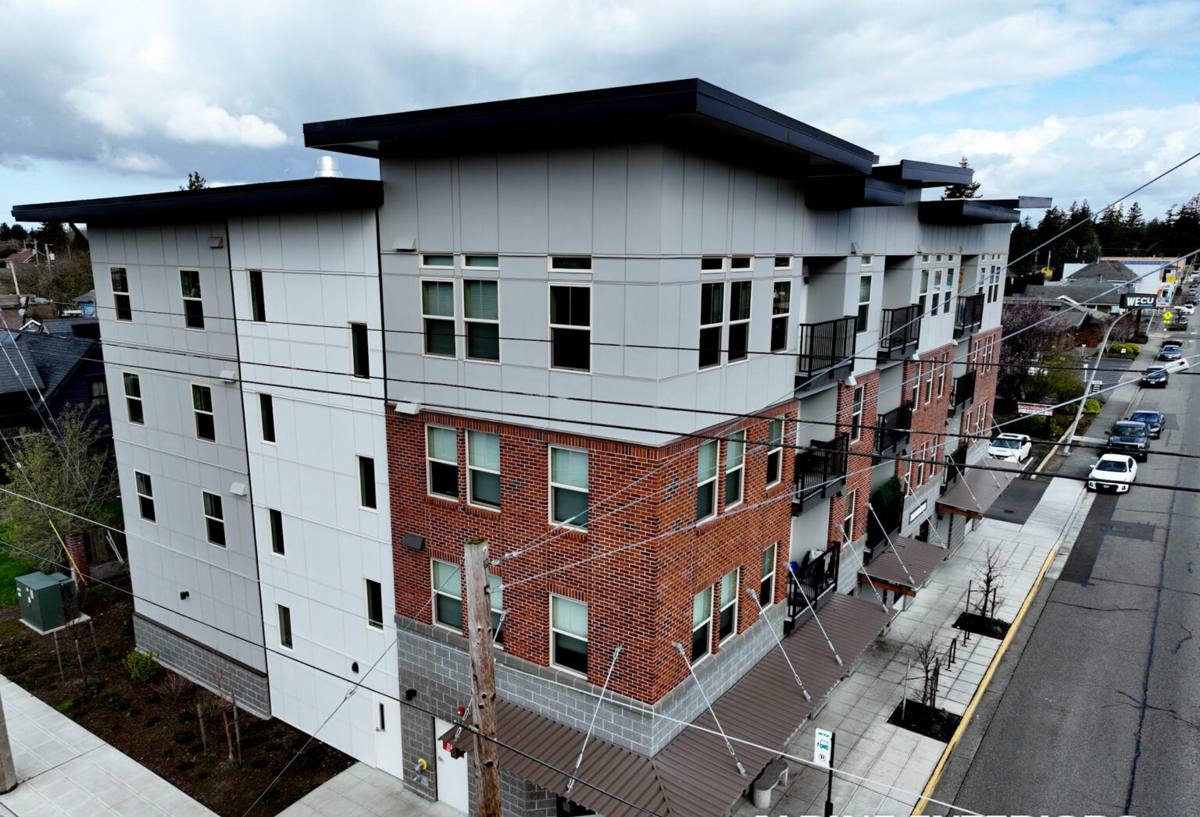
What's Different About Siding a South Hill House
Older Housing Stock
South Hill has a lot of older homes — Craftsman-era and mid-century construction with wall assemblies that were never built to today's moisture-management standards. Re-siding one of these houses usually means dealing with old sheathing, inconsistent framing, and sometimes trim details worth preserving rather than replacing wholesale. If your home was built before 1978, lead-safe work practices apply to any exterior work that disturbs old paint — a legitimate detail to ask about when you're hiring, not just a footnote.
Hillside Exposure and Access
Steep and sloped lots are common on South Hill, and they change how a siding job actually gets done — staging, ladder placement, and material staging all take more planning than a flat-lot job. Wind exposure on the more open parts of the hill also affects how installation crews sequence work and manage materials on a given day.
Mature Tree Canopy
A lot of South Hill's older streets have significant tree cover, which is part of the neighborhood's character but also means certain walls rarely get direct sun or wind to dry them out. Those shaded elevations are where moss and algae growth shows up first and worst, and they need siding and a finish that can take sustained dampness without breaking down.
Why We Only Install James Hardie
We don't install vinyl, LP SmartSide, or other fiber cement alternatives, and that's a deliberate standard, not a sales pitch. Vinyl expands and contracts with temperature swings and can warp or crack in sustained wind exposure; it also doesn't hold paint the way homeowners often expect once it starts to fade. Engineered wood products can perform well for their warranty period but depend heavily on caulking and paint maintenance staying current — miss a cycle in a wet climate like ours and moisture gets a foothold at the seams. Given the salt air, rain, and moss exposure South Hill homes deal with every year, we standardized on James Hardie fiber cement because it holds up to that combination better than the alternatives, with less ongoing maintenance risk.
James Hardie's HZ5 product line is engineered specifically for climates like the Pacific Northwest — freeze-thaw cycling, sustained moisture, and the kind of weather Whatcom County sees for most of the year. It's non-combustible, resists moisture-driven swelling and cracking, and the ColorPlus factory finish is baked on and warrantied separately from the substrate, so the color holds up without homeowners needing to repaint on a recurring cycle the way they would with field-painted materials.
What a Correct Installation Actually Involves
Hardie siding performs the way it's supposed to only when it's installed to the manufacturer's specifications — and that's where a lot of the real-world problems with fiber cement siding actually originate, not with the material itself. Getting it right on a South Hill home means:
- Proper water-resistive barrier and flashing at every window, door, and penetration, sequenced so water sheds outward and down, never behind the cladding
- Correct fastener type, spacing, and depth — Hardie is specific about this, and under- or over-driven nails are one of the most common installation failures
- Minimum clearance between the bottom of the siding and grade, decks, or roof lines, so water doesn't wick up into the plank
- Tight, consistent caulking at butt joints and trim, using a sealant rated for the exposure — critical on the more wind-exposed parts of the hill
- Proper starter strip and first-course alignment, which sets the reveal line for the entire wall
- Field-cutting and touch-up painting done to Hardie's spec so the ColorPlus warranty stays intact
Skip any one of these and you can end up with a house wearing James Hardie siding that still fails early — not because the product is wrong for the climate, but because the installation wasn't. This is why we treat installation quality as equal in importance to product selection.
Our Process for a South Hill Project
1. On-Site Assessment
We walk the whole exterior, not just the obvious problem wall. On a hillside lot that means checking drainage patterns, tree shade exposure by elevation, and how the existing siding and trim have actually held up on each face of the house — the north wall and the street-facing wall often tell very different stories.
2. Tear-Off and Substrate Check
Once old siding comes off, we inspect the sheathing and framing underneath before anything new goes up. On older South Hill homes this step regularly turns up moisture damage or rot that wasn't visible from outside — better to find and address it now than bury it under new siding.
3. Weather Barrier and Flashing
This is the layer that actually keeps water out of the wall assembly, and it gets done to spec before a single piece of Hardie board goes up — house wrap, flashing at every opening, and proper laps and overlaps.
4. Installation
Hardie planks, trim, and any accent details go up per manufacturer spec, with attention to fastening, reveal consistency, and joint sealing — the details covered above.
5. Final Detailing and Walkthrough
Touch-up painting at cut edges, caulking check, and a walkthrough with the homeowner before we call the job done.
Cost Factors on a South Hill Job
| Factor | Why It Matters Here |
|---|---|
| House age and wall condition | Older South Hill homes more often need sheathing repair once old siding comes off |
| Lot slope and access | Steeper lots need more staging and scaffolding time, which affects labor |
| Trim and architectural detail | Craftsman-era trim and detailing takes more time to match or replicate than a plain modern elevation |
| Siding profile chosen | Lap width, shingle-style panels, and board-and-batten all price differently in materials and install time |
| Number of wall penetrations | More windows, vents, and fixtures mean more flashing detail work |
| Pre-1978 construction | Lead-safe work practices add time and cost where old paint is present |
We give a firm number after walking the specific house — broad averages don't mean much on a neighborhood with this much variation in lot slope and home age.
Living With Hardie Siding in a Marine, Moss-Prone Climate
One of the real advantages of fiber cement over wood-based alternatives is how little upkeep it needs when it's installed correctly — but "little" isn't "none," especially on shaded South Hill lots. A short seasonal routine keeps it looking right and keeps small issues from becoming expensive ones:
- Rinse siding down once or twice a year, focusing on shaded north and west walls where moss and algae take hold first
- Keep gutters clear so overflow doesn't run down the siding face during heavy fall and winter rain
- Trim back tree branches and shrubs that keep a wall in constant shade or hold moisture against the siding
- Check caulking at trim and joints every couple of years and recaulk any spots that have opened up
- Walk the foundation line after major storms to confirm nothing is sitting against or wicking up into the bottom course
Why a Crew That Already Works South Hill Matters
Bellingham's building department, the realities of hillside lot access, and the quirks of the neighborhood's older housing stock are all things a crew learns by working here repeatedly, not by reading a spec sheet. A contractor who already knows how South Hill's older homes are typically framed, where drainage tends to be a problem on sloped lots, and how to stage a job on a steep driveway isn't guessing at any of that on your project. That familiarity shows up as fewer surprises mid-job and a cleaner finished result — which matters more on a hillside lot with real weather exposure than it does on a flat, sheltered one.
If you're weighing a siding replacement on South Hill, we're glad to come take a look and give you a straight, no-pressure estimate — no obligation, just an honest read on what your house actually needs. Use the form below to get started.