 Bellingham Siding
 New Roof Installation for York Homes in Bellingham
York sits close enough to the water and the surrounding tree cover that its roofs take a different kind of beating than roofs twenty miles inland. Salt-laden air off the bay, long stretches of driving rain through fall and winter, and a moss season that can run eight months or more all put real, measurable stress on a roof system. A new roof installed here needs to be specified and built for that combination, not just installed to a generic code minimum and left alone.
This page covers what a correct new roof installation looks like for a York-area home, what our process involves from tear-off to final inspection, and why working with a crew that already knows this specific stretch of Whatcom County matters more than homeowners often expect.
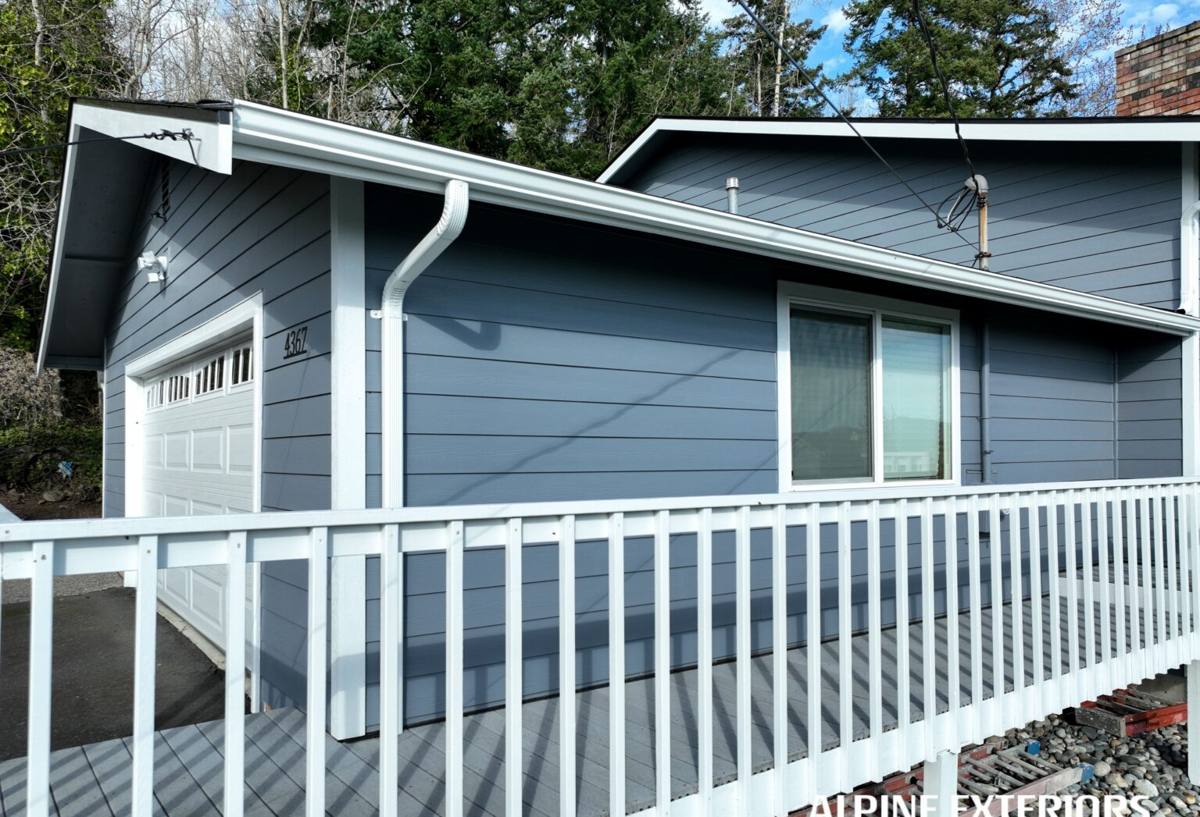
What This Climate Does to a Roof Over Time
Salt Air and Metal Fasteners
Homes closer to the water deal with airborne salt that accelerates corrosion on exposed metal — nails, flashing, and fastener heads in particular. A roof built with standard-grade fasteners in a salt-influenced zone can show rust streaking and early fastener failure well before the shingles themselves are worn out. This is a materials decision, not a workmanship issue, and it needs to be made at the estimate stage, not discovered later.
Driving Rain and Wind-Driven Water
Bellingham doesn't just get rain — it gets rain pushed sideways by wind off the water, which behaves differently than a straight downpour. Wind-driven rain finds its way under improperly lapped shingles, through under-sealed flashing, and around fasteners that weren't set correctly. A roof that would perform fine in a calmer climate can leak here simply because it wasn't detailed for lateral water intrusion.
Moss and the Long Wet Season
Whatcom County's moss season is long because the conditions moss needs — shade, moisture, and mild temperatures — are present most of the year here. Moss doesn't just look bad; it holds moisture against the roofing material, lifts shingle edges as it grows, and can work its way under laps over time. Roofs that sit under tree cover or on the shaded, north-facing side of a York home are especially prone to heavy moss buildup within just a few years of installation if the roof wasn't set up to shed it.
What a Correct New Roof Installation Actually Involves
A new roof is more than shingles nailed to plywood. Every layer of the system has a job, and skipping or under-specifying any one of them is where premature leaks and early replacements come from.
Tear-Off and Deck Inspection
We remove the old roofing down to the deck rather than layering over it. This lets us actually see the plywood or OSB underneath, which is the only way to catch soft spots, old water damage, or rot before they're sealed under a brand-new roof. In a wet climate like this, skipping the inspection step is how homeowners end up with a new roof over a rotting deck.
Underlayment
Underlayment is the roof's backup layer if water ever gets past the primary roofing material — and in a region with this much sustained rain, it matters more than it does in drier climates. We use synthetic or self-adhered underlayment products rated for high-moisture regions, with ice-and-water shield reinforcement at vulnerable areas like eaves, valleys, and roof-to-wall transitions.
Flashing
Flashing around chimneys, skylights, vent pipes, and roof valleys is where the majority of roof leaks actually originate — not in the open field of shingles. Correct flashing work means new metal (not reused old flashing), properly lapped and sealed, at every penetration and transition point.
Ventilation
A roof deck that can't breathe traps moisture in the attic, which shortens the life of the roofing material from underneath and can lead to condensation and rot that has nothing to do with the roof surface itself. We balance intake and exhaust ventilation as part of every new roof install, not as an upsell.
Choosing the Right Roofing Material for York
There's no single "best" roofing material — the right choice depends on the home's exposure, roof pitch, budget, and how much moss and moisture pressure the site sees. Here's how the common options compare for a York-area home:
| Material | Moss Resistance | Salt Air Durability | Typical Lifespan | Notes |
|---|---|---|---|---|
| Architectural Asphalt Shingle | Moderate (with treated granules) | Good with corrosion-resistant fasteners | 25–30 years | Most common choice; good value, wide color range |
| Standing Seam Metal | Excellent | Very good with coated fasteners/panels | 40–50+ years | Sheds moss and water fastest; higher upfront cost |
| Synthetic/Composite Shake | Good | Good | 30–40 years | Cedar look without the moisture-related maintenance of real wood |
| Cedar Shake | Poor without regular maintenance | Fair | 20–30 years with upkeep | Attractive, but high moisture sensitivity in this climate is a real maintenance commitment |
We don't install traditional cedar shake as a default recommendation in this area — not because it's a bad-looking product, but because in a climate with this much sustained moisture and moss pressure, it demands a level of ongoing maintenance (cleaning, treating, replacing individual shakes) that most homeowners underestimate at the time of installation. If a homeowner wants that look, we'll talk through synthetic shake alternatives that give a similar appearance with better moisture behavior.
Our New Roof Installation Process
- On-site assessment — we walk the roof, check the attic, and evaluate exposure to wind, water, and shade before recommending materials.
- Written estimate — clear scope, material selection, and pricing, with no vague allowances.
- Tear-off and deck inspection — full removal of old roofing, repair of any damaged decking found underneath.
- Underlayment and flashing installation — moisture barrier and metal work done to the standard the climate requires, not the code minimum.
- Roofing material installation — installed to manufacturer spec, with attention to fastener pattern and exposure at wind-loaded edges.
- Ventilation check and correction — intake and exhaust balanced for the attic's actual volume.
- Final walkthrough — we go over the finished roof with the homeowner before calling the job done.
Signs a York Home Needs a New Roof, Not Another Repair
Not every roofing issue calls for full replacement. But there's a point where repeated repairs cost more over time than doing the job once, correctly. Watch for:
- Granule loss heavy enough to see bare patches or granules collecting in gutters
- Shingles that are curling, cupping, or cracking across multiple areas of the roof
- Moss growth that returns within months of cleaning, especially on shaded slopes
- Daylight visible through the roof deck from inside the attic
- Soft or spongy spots when walking the roof
- Leaks that have already required more than one repair in the same area
- A roof over 20–25 years old, regardless of visible damage
Cost Factors for a New Roof Installation
Every roof is different, but the price of a new roof in the York area is driven by a consistent set of factors:
| Factor | Why It Matters |
|---|---|
| Roof size and pitch | Steeper roofs take longer to work safely and use more material per square |
| Material choice | Asphalt, metal, and synthetic products carry very different material and labor costs |
| Deck condition | Rotted or soft decking found during tear-off adds repair cost before roofing can go on |
| Number of penetrations | Chimneys, skylights, and vents each require additional flashing labor |
| Tear-off complexity | Existing layers of old roofing add disposal and labor time |
| Ventilation upgrades | Adding or correcting attic ventilation is sometimes needed alongside the new roof |
We give homeowners a written, itemized estimate before any work starts, so there's no guessing about what's driving the final number.
Why a Crew That Already Works in York Matters
A roofing crew that regularly works in and around Bellingham and Whatcom County has already seen how local roofs actually fail — not in theory, but on real homes exposed to the same salt air, wind patterns, and moss pressure your home deals with. That familiarity shows up in small decisions: which fastener grade to spec, where to reinforce underlayment beyond the minimum, and which roof orientations on a given lot are going to need extra attention to moss and shade. It also means we're not learning the local climate on your project.
Local permitting and inspection processes are also something a crew that works this area regularly already understands, which keeps the project moving instead of stalling on paperwork a homeowner shouldn't have to manage themselves.
Timeline and What to Expect
Most single-family roof replacements in this area take one to three days of active work once materials are on site, weather permitting — and weather is the operative variable here. We schedule around forecasted dry windows where possible, since installing certain roofing materials and underlayments in active rain compromises the seal and isn't something we'll do just to hit a date. Permitting timelines vary and are handled as part of the project scope.
If your roof is showing its age or you're planning ahead rather than reacting to a leak, we're happy to take a look and give you a straightforward, no-pressure estimate for a new roof built for what York's weather actually does to a home. Use the form below to get started.