 Bellingham Siding
 Window Installation in York Built for Bellingham's Weather, Not Around It
If you live in the York area of Bellingham, you already know the weather here does more than just get windows wet. Salt-laden air moving in off the water, months of driving rain, and a moss season that seems to stretch longer every year all work on a home's exterior around the clock. Windows sit right at the center of that exposure — they're one of the few places in a wall assembly with moving parts, seams, and glass, all of which have to keep working through wind-driven rain and damp winters without a break.
A window installed correctly for this climate should outlast the sealant on a poorly flashed one by a decade or more. The difference isn't the brand name on the sticker — it's the flashing, the sequencing, and whether the crew doing the work understands what Whatcom County weather actually does to a wall over time. That's the job we focus on here, and it's the reason we treat window installation as its own trade skill, not an add-on to a siding crew's day.
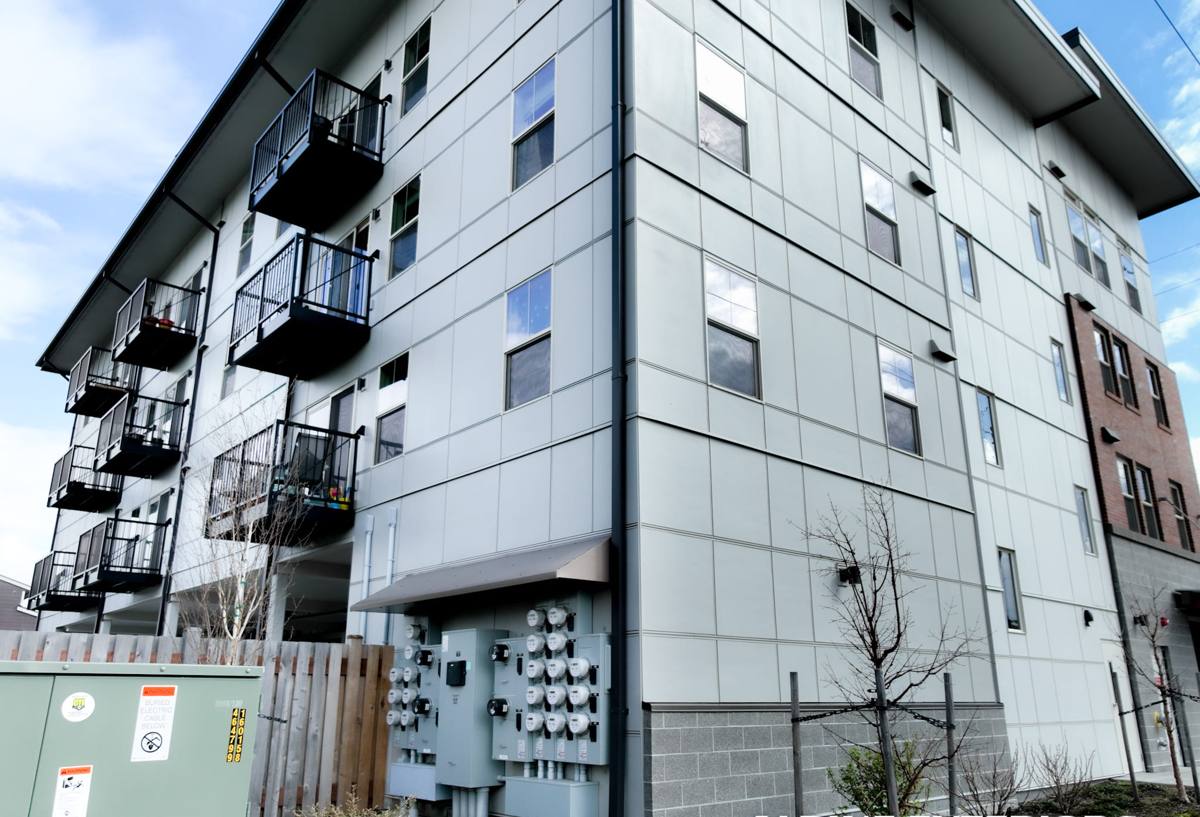
What Whatcom County Weather Does to Windows Over Time
Wind-Driven Rain and Moisture Intrusion
Bellingham doesn't usually get hard downpours — it gets long, low-pressure systems that push rain sideways for days at a time. That kind of rain finds gaps a heavier, shorter storm never would. A window that was installed with the right flashing and drainage plane will shed that water outward. One that wasn't will let moisture track behind the trim and into the wall cavity, where it can sit for weeks before anyone notices a stain.
Salt Air and Hardware Corrosion
Being close to Bellingham Bay means salt in the air, even away from the immediate waterfront. Over years, that salt attacks unprotected fasteners, cheap hinge hardware, and aluminum components that aren't rated for coastal exposure. It's a slow process, which is exactly why it gets ignored until a window won't latch properly or a frame starts to pit.
Moss, Algae, and UV Wear
The same damp, shaded conditions that grow moss on a roof will grow it in window sills, tracks, and the joints between frame and siding. Trapped moisture behind a mossy sill accelerates wood rot and keeps vinyl and composite frames wet far longer than they're designed to sit. Add in UV exposure during the drier summer stretch and you get a one-two cycle of swelling and drying that loosens seals faster than in drier climates.
What a Correct Window Installation Actually Involves
A window installation that's going to hold up here isn't just "pull the old one, drop in the new one." The parts that matter most are the ones you can't see once the trim goes back on.
- Proper flashing sequence — sill pan flashing installed first, then side flashing, then head flashing, each one lapped correctly so water is always directed outward and down, never trapped.
- Weather-resistant barrier integration — the window's flashing has to tie into the house wrap or building paper correctly, not just get taped over it.
- Sill pan drainage — a back-dammed sill pan gives any water that does get past the glazing a way out instead of a place to pool.
- Shimming and squaring — a window that's out of square binds, doesn't seal evenly against weatherstripping, and stresses the glass seal early.
- Low-expansion foam and backer rod — used correctly around the frame for air sealing without bowing the jamb.
- Exterior sealant that matches the substrate — the wrong sealant on the wrong siding material fails faster than no sealant at all, because it can trap water instead of shedding it.
Skip or rush any one of these steps and the window itself barely matters — even a well-built unit will leak, fog, or rot at the frame if the install underneath it was wrong.
Signs Your Windows in York Need Attention Now, Not Later
Most window failures in this climate don't show up as a dramatic leak. They show up as small signs that get written off for a season or two before the damage underneath gets expensive.
- Soft or discolored wood at the sill or bottom corners of the frame
- Fogging or a visible haze between double-pane glass (a sign the seal has failed)
- Drafts you can feel near the frame even with the window fully latched
- Difficulty opening, closing, or locking that wasn't there a year or two ago
- Visible moss or dark staining building up in the tracks or sill
- Paint or finish bubbling on interior trim near the window
- A noticeable jump in heating costs without any other explanation
Any one of these on its own might not mean much. Two or three together, especially on the same window, usually means moisture has already gotten past the seal and is working on the framing behind it.
Choosing a Window Type for This Climate
There's no single "best" window for every home, but some materials and features are a better match for Bellingham's combination of rain, salt air, and moss than others. We'll walk through the honest trade-offs during your estimate — here's the general shape of it.
| Frame Material | How It Handles This Climate | Maintenance | General Cost Position |
|---|---|---|---|
| Vinyl | Good moisture resistance, won't rot or corrode; performance varies a lot by manufacturer quality | Low — occasional cleaning | Lower to mid |
| Fiberglass | Very stable in temperature swings and damp conditions; holds paint and seals well over time | Low | Mid to higher |
| Wood (unclad) | Handles well if fully maintained but is the most vulnerable to the region's rain and moss if finish is neglected | High — regular refinishing needed | Mid to higher |
| Wood-clad (aluminum or vinyl exterior) | Protects the wood core from direct rain and salt air while keeping a wood interior | Low to moderate | Higher |
| Aluminum | Durable but conducts cold and can be prone to condensation without a thermal break; salt air requires a quality finish | Low | Mid |
Beyond frame material, glass package matters just as much here. Double-pane with a low-E coating is the baseline we'd recommend for almost any Whatcom County home; it cuts both heat loss in winter and glare in the brighter summer months. Argon-filled units add a little more insulating value for a modest cost difference.
Cost Factors Worth Understanding Upfront
| Factor | Why It Moves the Price |
|---|---|
| Number and size of windows | Larger and more numerous openings mean more material and labor |
| Replacement type | Insert (pocket) replacement is typically less involved than a full-frame tear-out |
| Existing damage | Rotten framing found once the old window is out adds repair work before the new one goes in |
| Frame material chosen | Vinyl, fiberglass, wood-clad, and aluminum sit at different price points, as shown above |
| Glass package | Low-E coatings, argon fill, and tempered glass (where code requires it) each add cost |
| Access and second-story work | Difficult access or upper-floor windows take more time and equipment |
Our Process, Start to Finish
- On-site assessment — we look at each window individually, not just the house as a whole, since exposure varies by wall orientation.
- Honest recommendation — we'll tell you which windows genuinely need replacement now and which can reasonably wait.
- Written estimate — clear scope, materials, and pricing before anything is scheduled.
- Old window removal — careful removal that lets us inspect the framing underneath before covering it back up.
- Framing repair if needed — any rot or moisture damage found gets addressed, not covered over.
- Correct flashing and installation — sill pan, side and head flashing, shimming, insulation, and sealant, in that order.
- Interior and exterior trim finish — matched to the rest of the home's existing trim wherever possible.
- Final walkthrough — every window opened, closed, and checked with you before we consider the job done.
Why a Crew That Already Works in York Matters
Window installation isn't the same job in every part of the country, and it isn't even quite the same job everywhere in Bellingham. A crew that regularly works the York area already has a feel for how the local mix of rain exposure, tree cover, and salt air tends to show up in window failures — where moss builds up fastest, which orientations take the worst of the driving rain, and what kind of framing is common in homes built during different eras around here. That familiarity shortens the guesswork during the assessment and shows up in fewer surprises once the old window comes out.
It also means someone local to call if a question comes up after the install — about a warranty item, a sealant line that needs a look, or just general questions about maintaining the windows through their first wet season. A crew that treats Whatcom County as a drive-through market doesn't have the same incentive to get those details right the first time.
Maintaining New Windows Through Bellingham's Wet Season
Even a correctly installed window benefits from a little seasonal attention in this climate. A short annual routine goes a long way:
- Clear debris and moss from sills and tracks before the fall rains set in
- Check exterior caulk lines each year for cracking or separation
- Wipe down hardware periodically to keep salt air residue from building up
- Keep gutters and downspouts clear so runoff isn't sheeting directly across window heads
- Address any soft trim or discoloration right away rather than waiting for the next dry season
None of this replaces a correct installation, but it does protect the investment once the work is done.
If you're noticing drafts, fogged glass, or moss buildup on windows anywhere in the York area, we're happy to take a look and give you a straight answer about what's actually needed. Reach out for a free, no-pressure estimate using the form below.