 Bellingham Siding
 Siding Replacement in Fairhaven: A Waterfront Neighborhood With Its Own Climate
Fairhaven sits close enough to Bellingham Bay that its weather doesn't quite match the rest of the city. Homes here take on salt-laden air off the water, driving rain that comes in sideways during winter storms, and a shaded, tree-lined moss season that runs longer than in drier parts of Whatcom County. Siding that holds up fine a few miles inland can fail early in Fairhaven if it wasn't built, or installed, for that combination. When a Fairhaven homeowner calls us about siding replacement, the first questions we ask aren't about color — they're about sun exposure, tree cover, and how close the home sits to the water.
This page is about siding replacement specifically for Fairhaven properties: what the local climate demands, what a correct job actually involves, and why we install only James Hardie fiber cement siding on every home we touch, here and everywhere else in our service area.
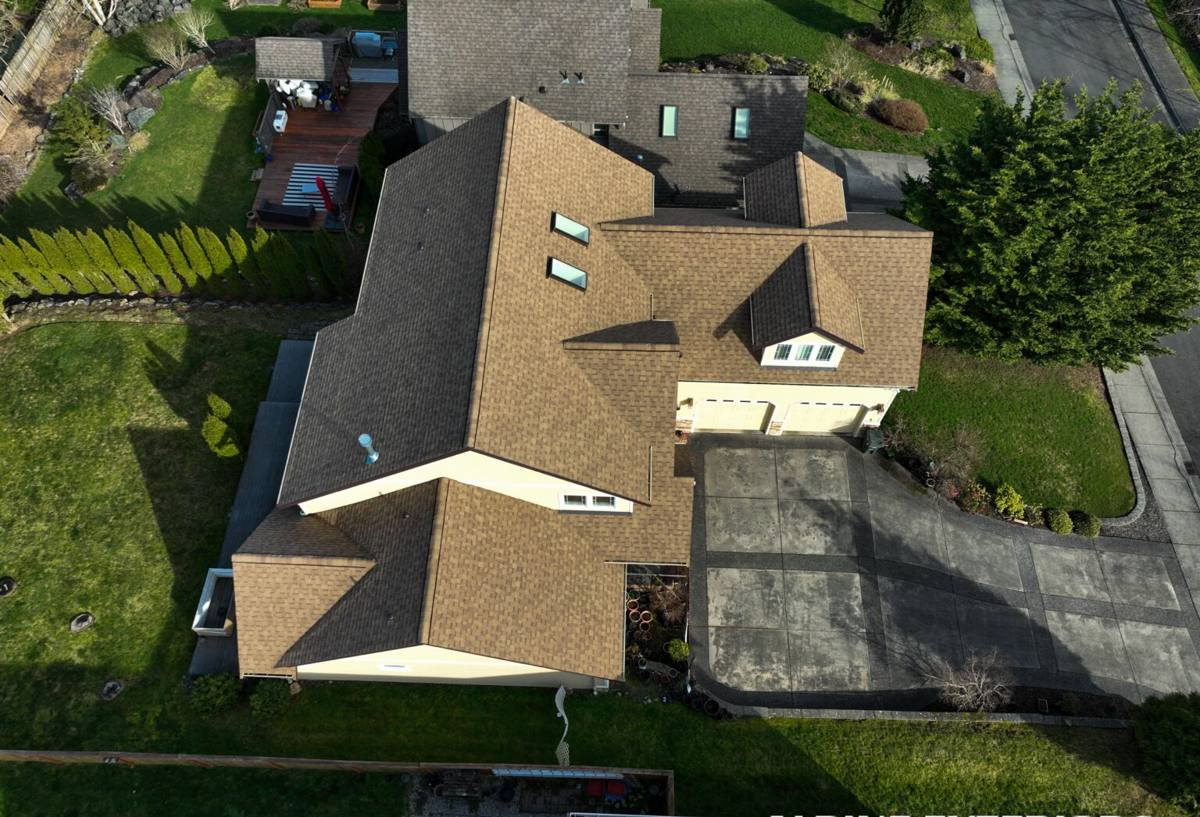
Why Fairhaven's Homes Take More Abuse Than the Average Bellingham House
Salt Air
Proximity to Bellingham Bay means airborne salt and moisture settle on exterior surfaces more than they do farther inland. Salt air accelerates corrosion of fasteners and trim, and it speeds up the breakdown of finishes that aren't formulated to resist it. Over years, siding facing the water often shows fading, chalking, or finish failure well ahead of siding on the same street's uphill side.
Driving Rain
Storms rolling in off the Strait of Georgia and Bellingham Bay tend to arrive with wind, which pushes rain horizontally into walls instead of letting it run straight down. That kind of exposure punishes any siding system with weak seams, poor flashing, or a water-management plan that only works in calm rain. It also means house wrap, flashing details, and caulking matter as much as the siding material itself.
Moss and Shade
Fairhaven's mature tree canopy and hillside lots keep a lot of siding in shade for large stretches of the day, especially on north-facing walls. Combined with the region's wet fall-through-spring stretch, that shade keeps siding damp longer after every rain, which is exactly what moss, algae, and mildew need to take hold. Wood-based products are especially vulnerable; they can hold moisture at the surface and start to soften or delaminate underneath a moss layer long before the problem is visible from the street.
Signs a Fairhaven Home Needs Siding Replacement, Not Just a Repair
- Soft or spongy spots when you press on the siding, especially near the bottom courses or under windows
- Persistent moss or algae growth that comes back within weeks of cleaning
- Paint that's failing faster than the repaint cycle should allow, or won't hold a new coat
- Visible warping, cupping, or separated seams, particularly on walls facing the bay or prevailing wind
- Rot at butt joints, corners, or anywhere trim meets siding
- Rising utility bills alongside drafts, which often points to a compromised water and air barrier behind the siding
- Siding that's original to a home built more than 20-25 years ago, especially wood or early composite products
One or two of these on their own might mean a repair is enough. Several at once, especially rot combined with moisture staining on interior walls, usually means the water-resistive barrier behind the siding has already failed and a full replacement is the honest answer.
What a Correct Siding Replacement Actually Involves
Siding replacement done right is a water-management project first and a cosmetic upgrade second. In a climate like Fairhaven's, cutting corners on the parts you can't see is where premature failures start.
- Full tear-off and inspection: old siding comes off so the sheathing underneath can be checked for rot, soft spots, or existing water damage before anything new goes on.
- Sheathing repair: any damaged plywood or OSB gets replaced, not covered over.
- Weather-resistive barrier: a new house wrap or building paper goes on correctly lapped, shingle-style, so water sheds outward instead of behind the wall.
- Flashing at every penetration: windows, doors, vents, and any wall-mounted fixture get proper flashing so wind-driven rain can't find a path in.
- Correct fastening and clearances: siding fastened per the manufacturer's specification, with the right gaps at the bottom edge, trim, and grade line to let the wall breathe and drain.
- Factory-finished material: a finish applied under factory conditions holds up to salt air and UV far more consistently than field-applied paint.
Skip any one of these steps and the new siding can look fine for a year or two while the same water problems that doomed the old siding start over again underneath it.
Why We Install Only James Hardie Fiber Cement
We don't install vinyl, LP SmartSide, primed spruce, cedar, or other fiber cement brands like Allura or Cemplank. That's not a marketing position — it's a standard we hold because of what we've seen happen to siding in exactly the conditions Fairhaven deals with.
| Material | How it holds up near the bay, in shade and driving rain |
|---|---|
| Vinyl siding | Lightweight and low-maintenance, but it can warp or distort in temperature swings, its seams and butt joints give wind-driven rain more entry points, and its color isn't repairable if it fades or gets damaged. |
| LP SmartSide (engineered wood) | An engineered wood product with a wood-based core; if moisture gets past a seam, fastener, or cut edge, that core is vulnerable to swelling and rot the way any wood product is — a real risk in a shaded, wet neighborhood. |
| Primed spruce or cedar | Natural wood requires the most upkeep of any option — regular repainting, caulking, and moisture vigilance — and it's the most susceptible to the moss and mildew that Fairhaven's tree cover encourages. |
| Other fiber cement brands | Fiber cement as a category resists moisture, fire, and pests well, but factory finish quality, warranty structure, and climate-specific product engineering vary by manufacturer. |
| James Hardie fiber cement | Non-combustible, engineered specifically for Pacific Northwest moisture exposure in its HZ5 product line, with a factory-applied ColorPlus finish that resists fading and holds up to salt air far better than field-applied paint. |
James Hardie's HZ5 formulation is engineered for climates with heavy rain and moisture exposure, which describes Fairhaven about as well as any neighborhood in our service area. The ColorPlus finish is baked on at the factory, so it resists the fading and chalking that salt air accelerates, and the material itself won't rot, swell, or feed the moss and mildew that thrive in the shade along the water. It's backed by a strong transferable warranty, which matters to homeowners in a neighborhood where properties change hands and buyers want documented history on major systems like siding.
Cost Factors for Siding Replacement in Fairhaven
Every project is different, but the main variables that move the price on a Fairhaven siding job are consistent:
| Factor | Why it matters here |
|---|---|
| Home size and wall complexity | More square footage, dormers, and gables mean more material and labor; Fairhaven's older homes often have more architectural detail than newer builds. |
| Extent of existing damage | Rot found under the old siding means sheathing repair before new siding can go on — this is common on homes with a history of moss or wood siding. |
| Siding profile chosen | Lap, shingle, and panel styles from the Hardie lineup carry different material and labor costs. |
| Trim and accessory work | Corner boards, window trim, and fascia often get replaced alongside siding for a clean, consistent result. |
| Access and site conditions | Hillside lots, tight lot lines, and mature landscaping common in Fairhaven can affect staging and labor time. |
We give a firm number after walking the property, not a phone estimate — there's too much variation in what we find once the old siding starts coming off.
Our Process, Start to Finish
- On-site assessment: we walk the exterior, check for soft spots and moisture issues, and talk through what we expect to find once tear-off starts.
- Written estimate: a clear scope and price, no pressure to sign on the spot.
- Tear-off and sheathing inspection: old siding removed, sheathing checked and repaired as needed.
- Weather barrier and flashing: house wrap and flashing installed correctly at every window, door, and penetration.
- James Hardie installation: siding installed to manufacturer specification, with correct fastening, clearances, and joint treatment.
- Final walkthrough: we go over the finished job with you before we call it done.
Why Hiring a Crew That Already Works in Fairhaven Matters
Fairhaven isn't a generic Bellingham address. A crew that's worked this neighborhood knows which walls take the worst of the wind off the bay, how far tree cover typically pushes moss growth up a wall, and what condition to expect from siding that's been sitting in that kind of shade and salt exposure for a couple of decades. That experience shows up in small decisions — where to pay extra attention during tear-off, which flashing details matter most on a water-facing wall — that a crew unfamiliar with the area might miss on the first pass. It also means straightforward answers about permitting, typical project timelines for the neighborhood, and what's realistic given a home's age and construction.
If your Fairhaven home's siding is showing its age, or you just want an honest read on whether repair or full replacement makes sense, we're happy to take a look. Reach out for a free, no-pressure estimate using the form below.