 Bellingham Siding
 Window Replacement Built for Sunnyland's Weather, Not Just the Opening
Sunnyland sits close enough to Bellingham Bay that the salt air reaches the neighborhood on a regular basis, and it sits in a part of Whatcom County that gets a steady diet of driving rain off the water for much of the year. Add in the long stretch of gray, damp months where moss gets a foothold on anything that stays wet, and you've got a climate that is genuinely harder on windows than most manufacturers' warranty language accounts for. A window that performs fine in a dry inland climate can fail early here if the installation doesn't account for wind-driven rain, condensation, and constant moisture cycling.
That's the piece that gets missed on a lot of window jobs: the window unit itself is only part of the story. How it's flashed, sealed, and integrated with the wall behind it determines whether it holds up through a Bellingham winter or starts letting water in behind the trim within a few years. This page covers what a proper window replacement looks like for homes in Sunnyland specifically, and what to expect if you have us out for one.
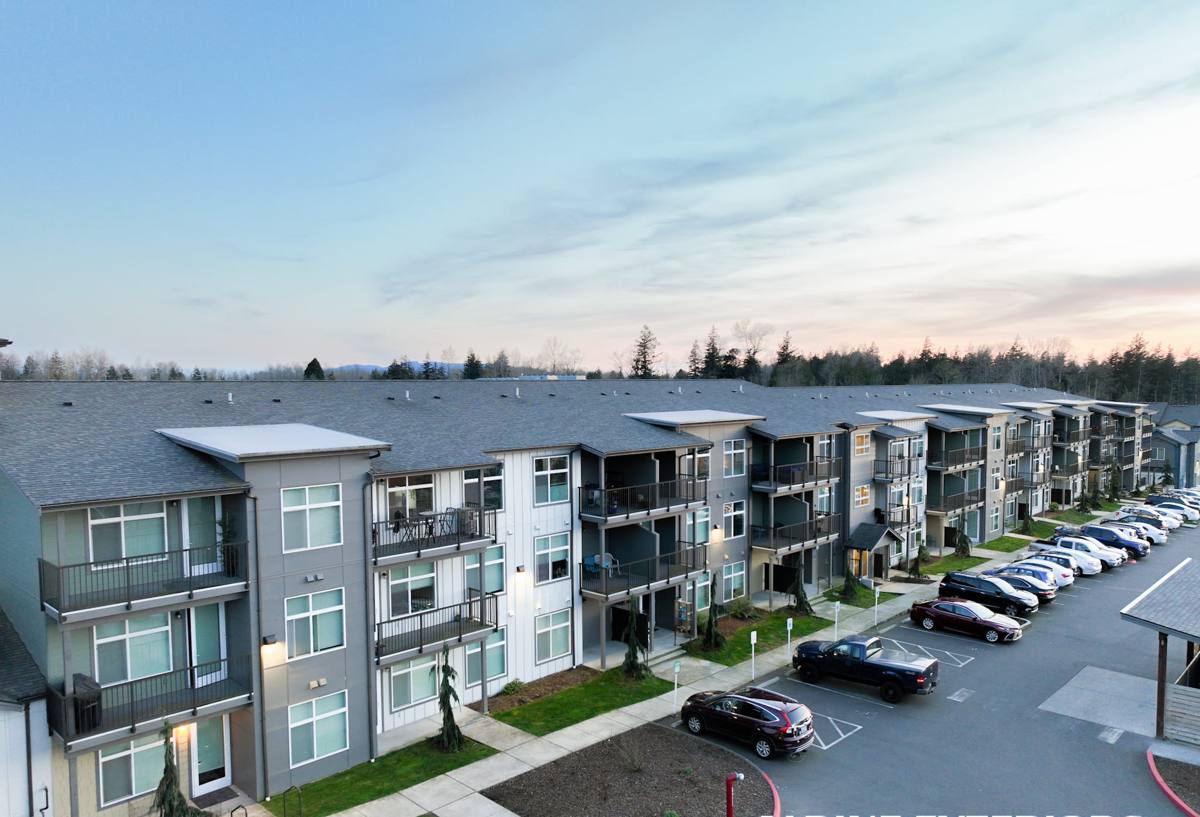
Signs a Sunnyland Home Needs Replacement, Not Repair
Not every window problem means full replacement. But in a marine climate, certain symptoms point to a window that's past the point where caulk and weatherstripping will fix it.
- Fogging or moisture trapped between panes — the seal has failed and the insulating gas (or air gap) is gone for good
- Soft or spongy wood at the sill or lower corners of the frame, a sign moisture has been getting into the wood over time
- Visible gaps between the window frame and the siding or trim, especially after the house has settled
- Drafts you can feel with your hand along the frame edges on a windy day
- Difficulty opening, closing, or locking — frames can warp slightly as wood absorbs and releases moisture season after season
- Moss or dark staining building up on the sill or the siding just below the window, which usually means water is running down the face of the window and not shedding the way it should
If you're only seeing one of these and the window is otherwise solid, a repair or re-caulk might be enough. If you're seeing several, or the window is original to an older Sunnyland home, replacement is usually the more honest recommendation.
Single-Pane Windows in Older Homes
A fair number of homes in this part of Bellingham still have original single-pane wood windows, sometimes with old storm windows added later. These were built well for their era, but they were never designed for today's insulation standards or for the amount of driving rain this area sees. Replacing them is usually as much about stopping ongoing moisture intrusion into the wall cavity as it is about comfort or energy bills.
What a Correct Window Replacement Actually Involves
The window unit is the easy part to shop for. The installation is where the job either holds up for decades or starts causing problems in a few years. A correct replacement in this climate includes:
- Careful removal of the old unit without damaging the surrounding framing, siding, or interior trim
- Inspection of the rough opening for hidden rot, soft sheathing, or prior water damage — common in older Sunnyland homes and something you want caught before a new window goes in, not after
- Proper flashing at the sill, sides, and head so that any water that does reach the opening is directed back out, not into the wall
- Sill pan installation where appropriate, giving water a sloped path out instead of letting it pool at the bottom of the frame
- Air sealing and insulation around the perimeter of the new window, not just caulk on the exterior face
- Correct fastening and shimming so the unit is square, level, and won't bind or leak as the house shifts seasonally
- Weather-resistant exterior sealing matched to the siding type, since a bead of the wrong caulk in the wrong place is a common cause of early failures
Skip any one of these steps and you can end up with a brand-new, expensive window that still leaks — just more quietly, behind the trim where you won't see it until there's damage.
Choosing the Right Window for This Climate
There's no single "best" window material — the right choice depends on the home, the budget, and how much upkeep you want to take on. Here's how the common options compare for a coastal Whatcom County home like the ones in Sunnyland.
| Frame Material | Moisture Behavior | Maintenance | Typical Cost Position |
|---|---|---|---|
| Vinyl | Doesn't rot or corrode; performs well in damp, salt-air conditions | Low — occasional cleaning | Lower to mid-range |
| Fiberglass | Very stable in moisture and temperature swings; holds paint well if color changes are wanted later | Low | Mid to upper range |
| Wood (clad exterior) | Good if the exterior cladding is intact; exposed or damaged wood is vulnerable in this climate | Higher — exterior clad reduces but doesn't eliminate upkeep | Upper range |
| Aluminum | Prone to condensation and thermal transfer unless thermally broken; not our first recommendation for this area | Low, but performance trade-offs | Varies |
For most Sunnyland homes, we lean toward vinyl or fiberglass because they hold up to sustained damp weather and salt air without the ongoing maintenance that painted wood exteriors require. If you have a home with a specific architectural style you want to preserve — a clad wood window that matches original trim details, for example — that's a reasonable trade-off as long as you go in understanding the extra upkeep.
Glass Package Matters as Much as Frame Material
Dual-pane, Low-E, argon-filled glass is the practical standard for this climate — it cuts heat loss and helps control condensation on the interior face of the glass during cold, damp stretches. Triple-pane glass adds further performance but at added cost and weight; it's worth discussing for north-facing rooms or homes with persistent condensation issues, but it isn't a must for every window on every house.
Our Sunnyland Window Replacement Process
- On-site walkthrough — we look at each window in question, check the rough openings where accessible, and talk through what you actually need versus what you might be tempted to over-buy
- Measurement and product selection — exact measurements for each opening, and a straightforward conversation about frame material, glass package, and cost trade-offs
- Scheduling around the weather — we plan install days with an eye on the forecast, since opening up a wall in the middle of a driving rainstorm is exactly the situation that causes water damage
- Removal and inspection — old windows come out, and if we find rot or moisture damage in the framing, we flag it and address it before anything new goes in
- Installation — flashing, sill pans, insulation, and sealing done to the standard described above, not just "set it and caulk it"
- Final check and walkthrough — every window opens, closes, and locks properly, and we walk you through anything you should know about care or warranty coverage
Jobs are typically completed in a day to a few days depending on the number of windows and whether we find any hidden framing issues along the way.
Energy Performance and Moisture Control
Two separate things get lumped together when people talk about "energy-efficient windows," and it's worth separating them. One is thermal performance — how much heat the window lets escape, which affects your heating bill through Bellingham's cool, wet winters. The other is moisture control — how well the window and its installation manage condensation and keep bulk water out of the wall. Both matter here, but moisture control is the one that causes real damage if it's ignored. A window with a great energy rating that's poorly flashed will still let water into your wall; a well-installed window with a modest glass package won't. We prioritize getting the installation right first, then talk through glass upgrades as a genuine option rather than a required upsell.
Why a Local Crew That Already Works This Neighborhood Matters
Sunnyland has a mix of home ages and construction styles, and a crew that's worked in the neighborhood before has already seen the common issues — the framing quirks in older homes, the way certain original siding types interact with new window trim, and what it takes to get a clean weather seal on houses built before today's building practices were standard. That familiarity shortens the guesswork and reduces the odds of a surprise mid-project.
Working locally also means we're not driving in from out of the area for a callback if something needs adjustment after the fact — a sticking window, a settling gap, whatever it might be. We stand behind our own installation work, and being close by makes that a practical promise, not just a line in a contract.
Caring for New Windows After Installation
- Rinse frames and glass periodically to clear salt residue that can build up from air off the bay
- Check exterior caulk lines once a year, ideally before the wet season starts, and touch up any cracking
- Keep weep holes on vinyl and fiberglass frames clear of debris and moss so water can drain properly
- Wipe down interior sills during cold snaps if you notice condensation, and let us know if it becomes a recurring pattern — it can point to a ventilation issue rather than a window issue
- Operate locks and hardware a few times a year even on windows you don't open often, to keep mechanisms from seizing
Get a Straightforward Estimate
If you're dealing with drafty, fogged, or aging windows in Sunnyland, we're glad to come take a look and give you an honest read on what's actually needed — repair, partial replacement, or a full window swap. There's no pressure and no obligation. Fill out the form below and we'll get in touch to schedule a free estimate.