 Bellingham Siding
 Windows Built for Happy Valley's Weather, Not Just Its Walls
Happy Valley sits close enough to Bellingham Bay that homes here take on a mix of coastal and inland Pacific Northwest weather in the same season — salt-tinged air off the water, long stretches of driving rain, and the low-angle winter sun that keeps north-facing walls damp for days at a time. Windows in this neighborhood work harder than a spec sheet suggests. A window that's rated fine for a dry climate can still fail here within a decade if it wasn't installed with Whatcom County conditions in mind.
This page is about one job, done right, in one part of Bellingham: replacing or installing windows in Happy Valley homes, from the older bungalows and post-war houses near the core of the neighborhood to newer infill construction. The mix of housing stock here means no two jobs look exactly alike, but the climate problems are consistent, and so is what it takes to solve them.
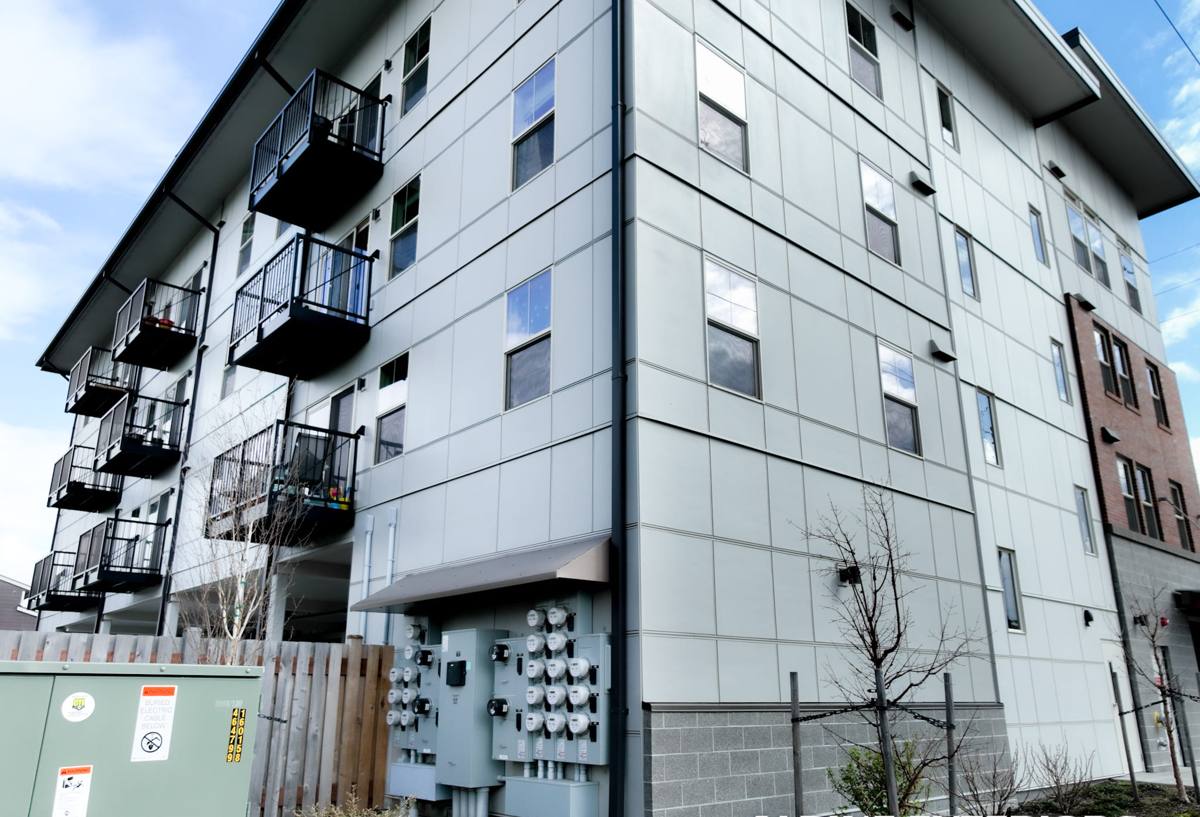
What Bellingham's Climate Actually Does to Windows
It helps to understand the specific ways this climate attacks a window assembly, because it explains almost every decision a good installer makes on your house.
Driving Rain and Wind-Driven Moisture
Bellingham doesn't just get rain — it gets rain pushed sideways by wind off the water, which finds any weak point in a window's flashing or sealant before it ever shows up as a visible leak. Water intrusion around window openings is one of the most common sources of hidden rot we find in older Happy Valley homes, usually well before homeowners notice anything from inside.
Salt Air and Metal Fatigue
Homes closer to the water deal with a slow, steady corrosive effect on exposed hardware, screws, and unprotected metal flashing. It's not dramatic — nothing rusts through in a season — but over 15 or 20 years, it's the difference between hardware that still operates smoothly and windows that stick, drag, or won't seal tight anymore.
The Long Moss Season
Whatcom County's moss season runs long — moisture-loving growth doesn't need much encouragement once fall arrives, and it stays active well into spring. Moss and algae hold water against wood trim, siding, and window sills far longer than open air would, which accelerates rot in exactly the areas where a window meets the wall. A window installed without attention to drainage and trim detailing gives moss a foothold right where you least want it.
Temperature Swings and Condensation
Bellingham winters aren't extreme, but the combination of cool, damp air outside and warm, humid air inside (especially in older homes without great ventilation) creates steady condensation pressure on window glass and frames. Single-pane and poorly sealed older windows fog, sweat, and eventually let that moisture migrate into the surrounding wall.
Signs a Happy Valley Home Needs Window Attention
Most homeowners don't call about windows until something is obviously wrong, but the earlier signs are usually visible if you know where to look.
- Visible fogging or a persistent haze between panes of double-glazed glass — a sign the seal has failed
- Wood trim or sills that feel soft, spongy, or show dark staining, especially on north- and west-facing walls
- Windows that are difficult to open, close, or lock — often a sign of frame swelling or hardware corrosion
- Noticeable drafts or a cold zone near the window even when it's fully closed
- Visible moss or persistent green staining on the sill or exterior trim
- Paint that bubbles, peels, or won't hold near the window frame
- A jump in heating costs without any other obvious cause
Any one of these on its own isn't necessarily urgent. Several together, especially moisture-related ones, usually mean the window assembly is past the point where caulk and weatherstripping will fix it.
What Correct Window Installation Actually Involves
Window installation is often sold as a product decision — pick a brand, pick a style, done. In this climate, the installation detailing matters as much as the window itself. A premium window installed poorly will leak and fail faster than a mid-range window installed correctly.
Removal Without Hidden Damage
Pulling the old window is also the first inspection point. This is when we find out whether the framing, sheathing, and sill underneath are sound or whether there's rot that needs to be cut out and repaired before a new window ever goes in. Skipping this step and installing a new window over a compromised opening just seals the problem inside the wall.
Flashing and Drainage Detail
This is the part that matters most in Bellingham's climate and gets skipped most often by installers unfamiliar with the area. Proper flashing — at the sill, jambs, and head — has to shed water outward and downward, layered so that any moisture that does get behind the trim has a path back out instead of a place to collect. A window can be perfectly level and plumb and still leak within a year if the flashing sequence is wrong.
Sealing and Insulation
Gaps around the frame get insulated (not just caulked shut) so the window doesn't become a thermal weak spot, and the exterior seal is done with materials rated for sustained UV and moisture exposure — not a generic caulk that will crack and open a gap within a few winters.
Level, Plumb, and Square
Basic, but worth stating: a window that's out of square binds, doesn't seal evenly, and puts uneven stress on the frame every time it's operated. This is a fit-and-finish issue that shows up as an operational problem years down the road.
Trim and Finish Work
Exterior trim gets detailed to shed water away from the wall, not hold it against the window frame — a small design choice that has an outsized effect on how much moss and rot pressure that spot sees over the years.
Window Types and Materials: What Holds Up in This Climate
There's no single "best" window for every Happy Valley home — the right choice depends on the house's age, exposure, and your budget. Here's how the common options generally perform under local conditions.
| Material | Moisture & Salt Air Performance | Maintenance | Typical Fit |
|---|---|---|---|
| Vinyl | Good — won't rot or corrode; seals and hardware are the long-term wear point | Low | Most Happy Valley homes, especially budget-conscious full-house replacements |
| Fiberglass | Very good — dimensionally stable through temperature and moisture swings | Low | Homes wanting durability without wood's upkeep, slightly higher cost |
| Wood (clad exterior) | Good if detailing and finish are maintained; exposed wood interior needs care near humid rooms | Moderate to high | Older or historic-style homes where appearance matters most |
| Aluminum | Poor in this climate without thermal breaks — conducts cold and is prone to condensation | Moderate | Rarely our recommendation for Bellingham homes; we'll explain why for your specific house |
Glass packages matter too. Double-pane with a low-E coating and argon fill is the practical standard for this climate — it manages both the condensation problem and the heating-cost problem without the added expense of triple-pane, which is usually only worth it on homes with heavy west or water-facing exposure.
How the Process Works
- On-site assessment. We look at your existing windows, the condition of the framing and trim, and how your house is oriented to wind and rain, not just measure the openings.
- Honest recommendation. You get options at different price points with a clear explanation of the trade-offs — we're not going to steer you toward the most expensive product if it isn't what your house needs.
- Written estimate. Scope, materials, and timeline in writing before any work starts.
- Removal and inspection. Old windows come out carefully, and we check the opening for rot or damage before anything new goes in.
- Repair as needed. Any compromised framing or sheathing gets addressed — this is not an optional upsell, it's what keeps the new window from failing early.
- Installation with proper flashing and sealing. Built around drainage, not just fit.
- Finish and cleanup. Trim work completed, site cleaned, and the windows walked through with you before we call it done.
Why Local Experience in Happy Valley Matters
A window company that mostly works inland or in drier parts of the state can still do a technically competent installation and have it underperform here, simply because they're not used to designing for wind-driven rain and a moss season that runs most of the year. Crews who regularly work Bellingham and Whatcom County homes know which orientations on a given block tend to take the worst weather, which older housing styles have predictable trim and flashing quirks, and how to sequence a job around the reality that it might rain on any given work day for months at a stretch.
That familiarity shows up in small decisions — how far to extend a drip cap, what sealant actually holds up through a full wet season, whether a given sill needs extra attention because of how the house sits relative to prevailing wind. None of it is complicated, but all of it depends on having done this work, on houses like yours, in this specific climate.
What Affects the Cost of a Window Project
We won't quote a number without seeing your house, but these are the factors that move the price up or down on most Happy Valley jobs:
| Factor | Why It Matters |
|---|---|
| Number and size of windows | The most straightforward driver of total cost |
| Material choice | Vinyl, fiberglass, and clad wood carry different price points and long-term maintenance costs |
| Condition of the existing opening | Hidden rot or framing damage adds repair scope before the new window even goes in |
| Access and house height | Second-story or hard-to-reach windows take more time and equipment |
| Glass package | Low-E coatings, argon fill, and triple-pane options each add cost for added performance |
| Trim and finish scope | Matching existing exterior detailing, especially on older homes, takes more labor than a simple swap |
A Practical Checklist Before You Hire Anyone
- Ask how they detail flashing and drainage, not just what brand of window they install
- Ask what happens if they find rot behind an old window — is it included, or a surprise change order
- Get the scope, materials, and warranty terms in writing
- Ask about their experience specifically with Bellingham or Whatcom County homes near the water
- Confirm who handles cleanup and site protection during the job
- Ask what the manufacturer's warranty covers versus what the installer warranties separately
If a contractor can't answer the flashing and drainage question in specific terms, that's a good sign they haven't had to solve this climate's problems very many times.
If your Happy Valley home has windows showing any of the signs above, or you're just ready to stop losing heat and money through old glass, we're happy to take a look and give you a straightforward, no-pressure estimate. Fill out the form below and we'll get back to you with honest options for your house.