 Bellingham Siding
 Windows Built for Sunnyland's Climate, Not Just Any Window
Sunnyland sits close enough to Bellingham Bay and the surrounding water that its homes take a different kind of weather beating than houses a few miles inland. Salt-laden air corrodes cheap hardware faster than it should. Driving rain off the water finds every gap in a poor installation. And the long, wet moss season here keeps window sills, trim, and sashes damp for months at a time, which is exactly the condition that rots wood and swells frames that weren't properly sealed. Replacing windows in this neighborhood isn't just a cosmetic upgrade — it's a chance to fix the specific failure points that Whatcom County weather causes.
We install windows across Bellingham, but Sunnyland's mix of older bungalows, mid-century homes, and newer infill construction each comes with its own installation quirks. A correct install here accounts for the home's age, its original construction methods, and how much moisture exposure that particular wall or roofline gets.
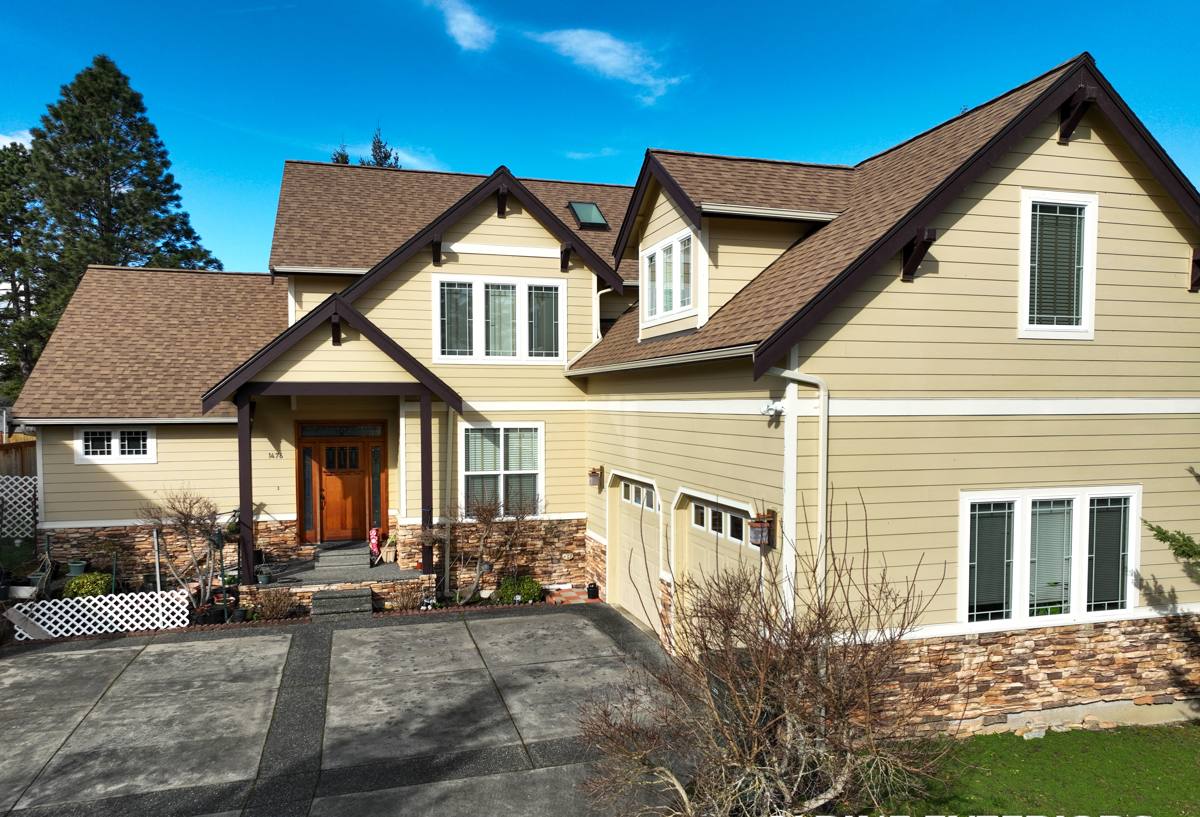
What Sunnyland Homes Actually Need From a Window Job
Moisture Management Comes First
More window failures we see in this area trace back to bad flashing and sealant work than to the windows themselves. If water gets behind the frame and has nowhere to go, it doesn't matter how good the glass package is — you'll get rot, mold, and eventually a soft spot in the wall. Every installation we do integrates window flashing tape, a properly lapped weather-resistive barrier, and sill pans on any opening where standing water could collect. This matters more in Sunnyland than in drier parts of the state, because the rain here isn't occasional — it's a season that runs a good chunk of the year.
Salt Air and Hardware Longevity
Being close to the bay means airborne salt settles on everything, including window hardware. Cheap zinc-plated hinges, locks, and screws corrode noticeably faster near the water than they do even ten minutes inland. We spec corrosion-resistant hardware and stainless fasteners on installs in this part of Bellingham specifically because we've seen what happens when that detail gets skipped — locking mechanisms that seize up, and streaking corrosion stains on the sill within a couple of years.
Moss, Algae, and Frame Material
Shaded north- and west-facing walls in Sunnyland's mature-tree neighborhoods stay damp longer, which is prime territory for moss and algae growth on sills and exterior trim. That's a maintenance issue on wood-clad frames and a durability issue if the frame material isn't rated for sustained moisture contact. We'll walk you through which frame materials hold up best on the shaded and exposed sides of your specific house rather than recommending one product for the whole home.
Our Installation Process
- On-site assessment. We measure every opening, check the condition of the existing framing and sheathing, and look for signs of past water intrusion before we quote anything.
- Removal without damage. Old windows come out carefully so we can inspect the rough opening — this is where we find rot or framing issues that need to be addressed before a new window goes in.
- Rough opening repair, if needed. Any soft or damaged framing gets replaced. Installing a new window into a compromised opening just hides the problem and shortens the life of the new unit.
- Flashing and weatherproofing. Sill pan, flashing tape, and proper weather-resistive-barrier integration around every opening, sequenced so water always sheds outward, never inward.
- Setting and shimming. The window is leveled, plumbed, and shimmed so it operates smoothly and the reveal is even — a crooked install stresses seals and shortens sash life.
- Insulation and sealing. Low-expansion foam or backer rod fills the gap around the frame without bowing it, and both interior and exterior sealant beads are tooled properly rather than just smeared on.
- Trim and finish. Interior and exterior trim is reinstalled or replaced to match the home, and everything is cleaned up before we walk you through the finished work together.
Choosing the Right Window for a Sunnyland Home
There's no single "best" window for the neighborhood — the right choice depends on your home's exposure, age, and how you use the space. That said, a few factors matter more here than they would in a drier climate.
| Factor | Why It Matters in Sunnyland |
|---|---|
| Frame material | Vinyl and fiberglass resist moisture and salt corrosion better than untreated wood; fiberglass holds up well under repeated wet-dry cycling |
| Glass package | Double-pane with a low-E coating and argon fill cuts heat loss and reduces interior condensation on the cold, damp days that dominate our winters |
| Hardware finish | Corrosion-resistant locks and hinges last noticeably longer this close to the bay than standard-finish hardware |
| Weep system design | Clear, unobstructed weep holes are essential — clogged weeps trap moisture inside the frame during our long rainy stretches |
| Installation flashing | Proper sill pan and flashing tape matter more here than the window brand — this is the single biggest factor in long-term performance |
We don't push one manufacturer over another as a blanket rule. We'll talk through the trade-offs — upfront cost, maintenance burden, warranty structure — honestly, based on your home and budget, rather than steering you toward whatever's easiest for us to install.
Energy Efficiency in a Marine Climate
Bellingham's winters aren't brutally cold by national standards, but the combination of persistent damp and steady wind off the water makes drafts and cold spots noticeable, especially near older, single-pane windows. A modern double-pane window with a low-E coating and insulated frame does two things at once: it cuts heat loss through the glass itself, and it raises the interior surface temperature of the window enough to reduce the condensation that fogs up cold panes on damp mornings. That condensation isn't just an annoyance — over years it can contribute to sill and trim damage if it's left to run down onto wood surfaces repeatedly. A properly sealed, well-insulated window install addresses both the comfort problem and the moisture problem in one project.
Signs Your Sunnyland Home Needs New Windows
- Condensation forming between the panes (a sign the seal has failed)
- Sashes that are difficult to open, close, or lock — often a symptom of frame swelling from moisture
- Visible gaps, cracked caulk, or daylight around the frame
- Soft or discolored trim and sills, especially on shaded or north-facing walls
- Noticeable drafts or a cold spot near the window even when it's closed
- Rising heating bills without another obvious cause
- Moss or algae staining that keeps returning no matter how often it's cleaned
- Wood frames that feel spongy or show paint that keeps failing
If you're seeing more than one or two of these, it's worth a conversation before winter's driving rain makes the problem worse.
Repair or Full Replacement?
Not every window problem means a full replacement. If the frame and flashing are sound and the issue is a failed seal, worn weatherstripping, or hardware, a repair can make sense and save you money. Full replacement is the right call when the frame itself is deteriorating, when there's evidence of water getting into the wall assembly around the opening, or when the window is old enough that efficiency losses are adding up year after year. We'll tell you honestly which situation you're in rather than defaulting to a sale — a repair that solves the actual problem is worth more to us long-term than an unnecessary replacement.
Timeline and What to Expect
Most single-window replacements take a few hours; a whole-house project is typically spread over one to a few days depending on the number of openings and whether any framing repair is needed. We work efficiently to keep openings covered and weathertight overnight, which matters in a neighborhood where rain can show up with little warning. We'll give you a realistic schedule up front and let you know immediately if we find something during removal — like hidden rot behind old trim — that changes the scope of the work.
Why a Crew That Already Works Sunnyland Matters
A contractor who works this neighborhood regularly already knows which building eras are common here, how the local microclimate near the bay behaves compared to inland Bellingham, and what kind of flashing and hardware decisions actually hold up over time. That's not something you get from a crew that treats every job the same regardless of location. We've seen what happens when Whatcom County's rain and salt air meet a rushed or generic installation, and we build our process specifically to avoid those failure points rather than learning them on your house.
Working locally also means shorter response times if something needs a follow-up look after the job is done, and a crew that's accountable to its reputation in the same community it works in — not a name that disappears once the invoice is paid.
Cost Factors to Expect
Window installation pricing varies with the number of openings, frame material, glass package, and whether any rough-opening repair is required. Rather than quoting a number that doesn't reflect your home, we provide a written estimate after seeing the actual openings and their condition — that's the only way to give you a price you can trust.
A solid estimate should spell out:
- Frame material and glass package specified for each opening
- Whether any rough-opening or trim repair is included or billed separately
- Flashing and weatherproofing method being used
- Estimated timeline and how weather delays are handled
- Warranty coverage on both the product and the labor
If you're weighing new windows for a Sunnyland home, we're happy to take a look and walk you through your options with no pressure to decide on the spot. Reach out for a free estimate using the form below.