 Bellingham Siding
 Roof Replacement in Birchwood: What Bellingham's Climate Demands
A roof in Birchwood doesn't fail the same way a roof does in a dry inland climate. Out here, the damage is slower and quieter — salt-tinged air off the water working on exposed metal, wind-driven rain finding its way sideways and upward under shingle edges instead of just falling straight down, and a moss season that can run most of the year on shaded, north-facing slopes. None of that means a roof needs replacing more often than it should. It does mean the replacement needs to be done correctly the first time, with materials and details chosen for this specific climate rather than a generic install pulled from a national playbook.
This page covers roof replacement specifically for homes in and around Birchwood — what local conditions mean for your roof, what a correct job actually involves, and how our process works from first inspection to final cleanup.
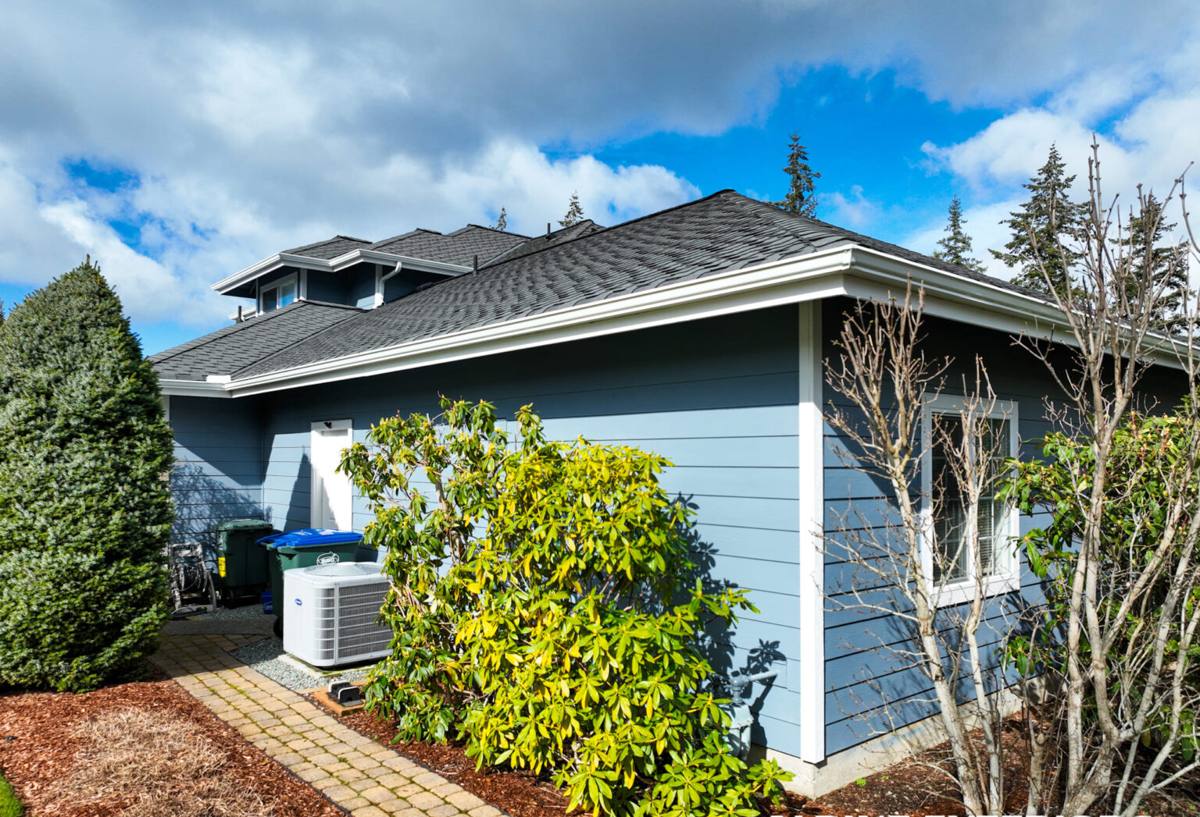
Signs a Birchwood Roof Is Actually Ready for Replacement
Not every roof problem means a full replacement. Some issues — a handful of lifted shingles, a failed pipe boot, a small flashing leak — are legitimate repairs. But there's a point where patching stops being the economical choice and starts being money spent delaying an inevitable full replacement. The signs worth taking seriously include:
- Shingles that are curling, cupping, or losing granules in large patches rather than isolated spots
- Daylight visible through the roof deck from inside the attic
- Soft or spongy spots when walking the roof, which usually means the decking underneath has taken on moisture
- Repeated leaks in different locations after repairs, rather than the same spot recurring
- Heavy, persistent moss or algae growth that keeps returning within a season of cleaning
- A roof that's approaching or past the expected lifespan of its material, especially if it was installed with older, non-synthetic underlayment
An honest inspection should tell you plainly whether you're looking at a repair or a replacement, and explain the reasoning rather than just recommending the bigger job by default.
What a Correct Roof Replacement Actually Involves
A roof replacement is more than swapping old shingles for new ones. The parts of the system nobody sees from the ground are usually what determines whether the roof performs well for its full expected lifespan or starts leaking in year six.
Tear-Off and Deck Inspection
A full tear-off removes the old roofing material down to the decking, which is the only way to actually see what's underneath. In a climate as wet as this one, it's common to find sections of decking that have absorbed moisture over years — sometimes visibly, sometimes not until the old material is off. Any soft or rotted decking needs to be cut out and replaced before anything new goes down. Skipping this step, or covering over a deck problem instead of fixing it, is one of the most common causes of a roof that looks fine but leaks within a few years.
Underlayment
Underlayment is the water-resistant layer between the decking and the roof covering, and in a region with sustained wind-driven rain, it matters as much as the shingles themselves. Synthetic underlayment and self-adhered membrane at vulnerable areas — eaves, valleys, and around penetrations — resist wind-driven water intrusion far better than older felt products, which can absorb moisture and degrade over time.
Flashing
Most roof leaks don't start in the open field of the roof — they start at flashing, where the roof meets a chimney, wall, skylight, or valley. Flashing needs to be properly lapped, sealed, and in most cases replaced rather than reused, since old flashing can be corroded or bent out of shape from years of exposure to salt air.
Ventilation
Proper attic ventilation controls moisture buildup from underneath the roof deck, which matters just as much as keeping water out from above. Poor ventilation traps warm, moist air against the underside of the decking, accelerating rot and encouraging the kind of organic growth that shows up as dark staining or moss on the surface above. A replacement is the right time to correct undersized or blocked ventilation, since the roof is already open.
Choosing Materials for a Whatcom County Home
There's no single "best" roofing material for every home — the right choice depends on your roof's pitch, your home's style, your budget, and how long you plan to stay in the house. What does matter is understanding how each option actually performs under this region's specific combination of salt air, sustained rain, and moss pressure.
| Material | Typical Lifespan | How It Handles Local Conditions |
|---|---|---|
| Standard asphalt shingles | 20–25 years | Cost-effective and reliable when paired with proper underlayment; algae-resistant granules matter here more than in drier climates |
| Algae-resistant architectural shingles | 25–30 years | Slower to develop the dark staining and moss growth common on shaded, north-facing slopes in a long wet season |
| Standing seam metal | 40–50+ years | Excellent water shedding on steeper pitches; fastener and finish quality matter more here due to salt-driven corrosion risk |
| Cedar shake | 25–30 years with upkeep | Attractive traditional look, but requires more diligent maintenance to manage moss and moisture retention in a marine climate |
For most Birchwood homes, a quality algae-resistant architectural shingle offers the best balance of cost, appearance, and performance against the local moss and mildew pressure. Metal is a strong option where budget allows and the roof design suits it, particularly on steeper pitches where water sheds fast and fastener quality can be controlled carefully.
Moss, Algae, and the Long Wet Season
Moss doesn't just look bad — it holds moisture against the roof surface and can work its way under shingle edges over time, which is exactly the kind of slow damage that leads to premature failure. Shaded, north-facing slopes and roofs under tree cover are the most exposed. A correct replacement addresses this in a few ways: algae-resistant shingle selection, adequate ventilation to reduce the moisture that feeds growth, and in some cases zinc or copper strips near the ridge, which release trace metals that discourage moss regrowth as rain washes over them. None of this eliminates the need for periodic roof cleaning, but it meaningfully slows how fast moss comes back.
How Our Roof Replacement Process Works
1. Inspection and Honest Assessment
We start by walking the roof and attic, documenting the actual condition — not just the visible surface, but decking, ventilation, and flashing points that are common failure areas here. You get a straight answer on whether you need a repair or a full replacement, and why.
2. A Written, Itemized Estimate
The estimate spells out tear-off scope, underlayment type, flashing work, ventilation changes, and the specific material and grade being installed — not a vague one-line total. That level of detail is what lets you compare bids on substance rather than guesswork.
3. Tear-Off and Deck Repair
Old material comes off down to the decking. Any moisture-damaged decking is identified and replaced before new material goes down, and we'll show you what we found rather than just billing for it after the fact.
4. Underlayment, Flashing, and Installation
Underlayment and flashing go in first, with extra attention at valleys, eaves, and penetrations where wind-driven rain causes the most problems. The roof covering goes on according to manufacturer specification, not shortcuts.
5. Final Inspection and Cleanup
We walk the finished roof, check flashing and ventilation details, and do a full property cleanup, including a magnetic sweep for stray nails and fasteners.
Why Hiring a Crew That Already Works Birchwood Matters
A crew that regularly works roofs in and around Bellingham has already seen how salt air corrodes underspecified fasteners, how wind-driven rain finds gaps in improperly lapped underlayment, and which roof orientations hold moss longest through a wet Whatcom County winter. That's practical knowledge built from repetition, not something a crew based two counties away or brought in for a single storm-repair job typically has. It shows up in small decisions — fastener grade, flashing detail, underlayment choice at vulnerable areas — that aren't visible in a finished roof but determine how it performs over the next twenty-plus years.
Questions Worth Asking Before You Hire
- Are you currently licensed, bonded, and insured in Washington, and can you provide proof in writing?
- How long have you been doing roofing work specifically in the Bellingham area?
- What underlayment and flashing approach do you use at valleys and penetrations, and why?
- Is the estimate itemized — tear-off, decking, underlayment, flashing, material, cleanup — or just a single total?
- What does the workmanship warranty cover, separate from the manufacturer's material warranty?
- Can you point to other roofing work you've completed in this area?
Timing a Roof Replacement in This Climate
Roofing can be done for much of the year here, but scheduling around the wettest stretches of winter reduces weather delays and gives materials better conditions to seal properly. Late spring through early fall tends to offer the most predictable working windows, though a well-run crew can manage a replacement responsibly outside that range when necessary. If your roof shows active leaking or serious deck damage, it's worth addressing sooner rather than waiting for an ideal weather window, since delay tends to let the underlying damage spread.
If you're weighing repair versus replacement, or just want an honest look at where your roof actually stands, we're happy to come take a look and put together a straightforward, no-pressure estimate — no obligation either way.