 Bellingham Siding
 Siding in a Neighborhood That Doesn't Get a Break From the Weather
Happy Valley sits close enough to Bellingham Bay that homes here catch the same salt-laced air that eats away at paint, fasteners, and cheap trim elsewhere in Whatcom County — but the neighborhood's mature tree canopy and hillier lots add their own complication: shade that never fully dries out after a storm. That combination of salt air, driving rain off the water, and a moss season that can run from October into May is exactly the environment that separates a siding job that lasts twenty-five years from one that starts failing at year eight.
We install James Hardie fiber cement siding exclusively, and Happy Valley is one of the neighborhoods where that decision matters most. This page covers what local homes actually need from a siding installation, what a correct job looks like under the hood, and how we run the project from first look to final walk-through.
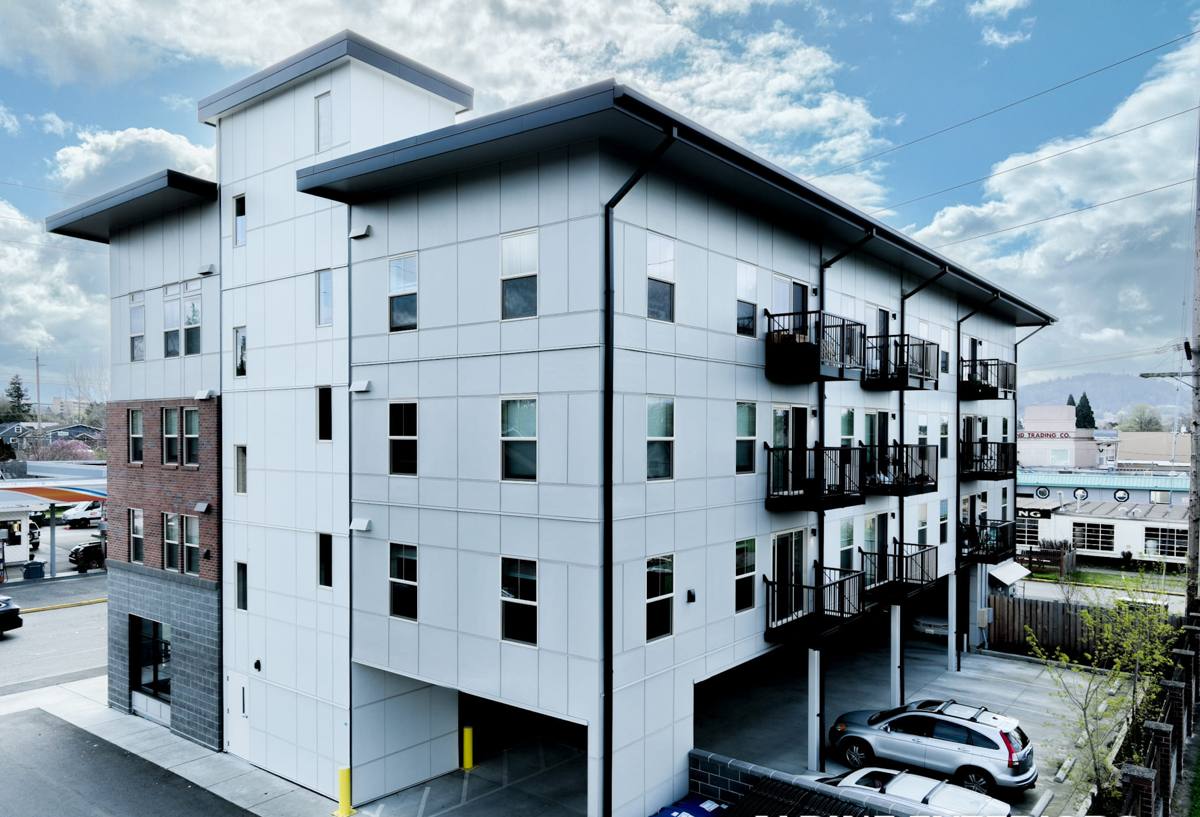
What Happy Valley's Climate Does to Siding Over Time
Salt Air and Metal Fasteners
Proximity to the bay means airborne salt settles on every exterior surface, including the fasteners holding your siding on. Standard fasteners corrode faster near the water, and once a fastener head rusts and swells, it can crack the siding around it or work its way loose. This is why fastener spec isn't a minor detail — it's one of the first things we check on tear-off, and one of the first specs we get right on installation.
Driving Rain and Wind-Driven Water
Storms coming off the water don't fall straight down — wind pushes rain sideways into wall assemblies, seams, and anything with an exposed edge. Siding that isn't lapped, flashed, and caulked correctly at every penetration (hose bibs, light fixtures, meter bases, deck ledgers) will let that water behind the cladding eventually, even if the surface looks fine for years.
Shade, Moss, and a Long Wet Season
Happy Valley's tree cover is part of what makes the neighborhood pleasant to live in, but shaded north- and west-facing walls stay damp far longer after a rain than siding out in open sun. Combined with Whatcom County's long wet season, that dampness is what feeds moss and mildew growth on wood-based and painted siding. Moss holds moisture against the surface, and moisture is the one thing every siding failure has in common.
Why We Only Install James Hardie Fiber Cement Here
We don't install vinyl, LP SmartSide, primed wood, cedar, or other fiber cement brands. That's not a sales pitch — it's a standard we hold because of what we've seen these products do in exactly this climate:
- Vinyl can warp, fade, and crack in temperature swings, and its seams give wind-driven rain more places to find a way in.
- Wood and primed spruce siding need repainting and caulk maintenance on a schedule most homeowners don't keep up with, and once moisture gets past the paint film, rot follows.
- LP SmartSide is an engineered wood product — better than raw wood, but still wood at its core, and wood swells, checks, and is vulnerable at cut edges if the factory seal isn't maintained.
James Hardie fiber cement is non-combustible, doesn't feed moss the way wood fiber does, and holds its factory-applied ColorPlus finish for years without repainting. For a hillside, tree-shaded neighborhood a few minutes from saltwater, that's the difference between a wall system that shrugs off the climate and one that's fighting it every wet season.
What a Correct Installation Involves (Not Just the Siding Itself)
The siding board is maybe half the job. What's underneath it determines whether the installation performs for twenty-five years or gives out early. A correct install includes:
- Tear-off and substrate inspection — removing old siding and checking sheathing for rot, especially around windows, corners, and low walls where past water intrusion is most common.
- Weather-resistive barrier — a continuous, properly lapped house wrap or building paper that manages any water that gets past the cladding.
- Flashing at every penetration and transition — window and door heads, deck ledgers, hose bibs, vents, and the base of the wall where it meets foundation or grade.
- Correct fastening — Hardie has specific nailing patterns and fastener requirements by product line and exposure; getting this wrong voids warranty coverage and shortens the life of the job.
- Proper clearances — siding held off decks, patios, and grade by the manufacturer's minimum clearance so splash-back and standing water don't sit against the bottom course.
- Factory-cut and factory-primed edges kept intact — field cuts get sealed per spec so raw edges aren't left exposed to weather.
Skip any one of these and the siding can still look right on install day. The problems show up two, five, or ten years later — usually as a repair bill much larger than doing it right the first time would have cost.
Our Process for a Happy Valley Siding Installation
1. On-Site Assessment
We walk the exterior with you, looking at existing siding condition, trim, window flashing, and any problem areas — shaded walls, low-clearance sections, areas showing moss or paint failure. On a hillside lot, we also look at grading and drainage around the foundation, since water management around the house affects how the wall assembly performs.
2. Scope and Product Selection
We spec the Hardie product line, plank exposure, and trim package for the home, and walk you through ColorPlus color options versus field-painted trim. You get a clear, written scope before any work starts — no vague allowances.
3. Tear-Off and Substrate Repair
Old siding comes off, sheathing gets inspected, and any rot or damage is repaired before a single new board goes up. We won't install new siding over a substrate that's already compromised — that just hides a problem instead of fixing it.
4. Weather Barrier and Flashing
House wrap goes on continuous and correctly lapped, and flashing is installed at every window, door, and penetration before siding starts.
5. Installation to Manufacturer Spec
Siding, trim, and fasteners go in per James Hardie's published installation requirements for this climate zone, with attention to fastener type given the area's salt-air exposure.
6. Final Walk-Through
We walk the finished job with you, cover care and maintenance specific to a shaded, tree-covered lot, and go over warranty coverage before we consider the job done.
Cost Factors for a Happy Valley Home
Every home is different, but the line items that move the price on a Happy Valley siding job tend to be the same ones:
| Factor | Why It Matters |
|---|---|
| Home size and number of stories | More surface area and taller walls mean more material and more labor, especially with staging on sloped lots. |
| Substrate condition | Rot repair behind old siding — more common on shaded, damp-prone walls — adds material and labor before new siding can go on. |
| Trim and detail complexity | Corner boards, window casing, and multiple color transitions take more time than a simple, single-color wall. |
| Product line selected | HardiePlank, panel, and shingle products carry different material costs and install labor. |
| Access and lot slope | Hillside lots with limited staging area can require more setup time and equipment. |
We give a firm, written estimate after seeing the home in person — not a phone-quote guess — because these factors vary too much house to house to price accurately any other way.
Signs Your Siding Is Telling You It's Time
- Moss or dark streaking that returns within months of cleaning it off
- Paint that's peeling, bubbling, or chalking, especially on shaded walls
- Soft or spongy spots when you press on the siding near the bottom courses
- Visible gaps, warping, or cracked boards at corners and seams
- Rising energy bills that suggest the wall assembly isn't sealing the way it used to
- Siding that's original to a home built more than 20-25 years ago
Why Hiring a Crew That Already Works This Neighborhood Matters
Happy Valley's mix of hillside lots, mature trees, and proximity to the bay isn't the same as siding a flat, open lot across town. A crew that already knows the neighborhood knows which walls need extra flashing attention, how staging works on a sloped driveway, and what fastener spec actually holds up against the salt air coming off the water. That local pattern-recognition doesn't replace following manufacturer spec — it's what makes sure the spec gets applied correctly to this specific climate and terrain, not a generic checklist written for a different part of the country.
We install exclusively in this region, which means every crew member has done this exact job — on homes with these exact conditions — many times over.
If you're weighing a siding replacement for a Happy Valley home, we're happy to take a look and give you a straight, no-pressure estimate — no obligation, just an honest read on what your home needs and what it would take to do it right.